If you are getting ready to sell in Summit, staging is not about making your home look generic. It is about helping buyers see space, light, and everyday function while still letting the home’s character shine through. In a market known for established homes, commuter convenience, and strong curb appeal, the right room-by-room choices can make your listing feel more inviting from the first photo to the final showing. Let’s dive in.
Why staging matters in Summit
Summit is not a one-size-fits-all suburban market. Census QuickFacts reports a median household income of $190,304, a median owner-occupied home value of $994,500, an owner-occupied rate of 68.3%, and a mean commute time of 33.5 minutes. The city also has a large share of residents under 18, which means many buyers may be thinking about how a home supports daily routines, storage, and flexible living.
Local housing character matters here too. Summit’s planning and historic preservation materials describe a year-round suburban commuter community with many older homes still in place, including Colonial Revival, Tudor Revival, Queen Anne, Shingle, and Victorian styles. That means your staging should make the home feel current and easy to live in, without covering up the details that make it feel distinctly Summit.
National staging data supports that approach. The National Association of Realtors reports that 83% of buyers’ agents said staging made it easier for buyers to picture a property as a future home. The most commonly staged rooms were the living room, primary bedroom, and dining room, which gives Summit sellers a practical place to focus first.
Start with Summit’s strengths
In Summit, the goal is usually not a full redesign. It is a lightly updated, well-organized presentation that makes rooms feel larger, brighter, and more functional.
Before you buy anything new, start with three basics:
- Remove extra furniture that blocks flow
- Clear surfaces so architectural details stand out
- Improve lighting so each room feels open and welcoming
That simple reset often does more than trendy decor. In older or character-filled homes, less visual noise helps buyers notice trim, built-ins, fireplaces, windows, and original proportions.
Stage the entry for daily life
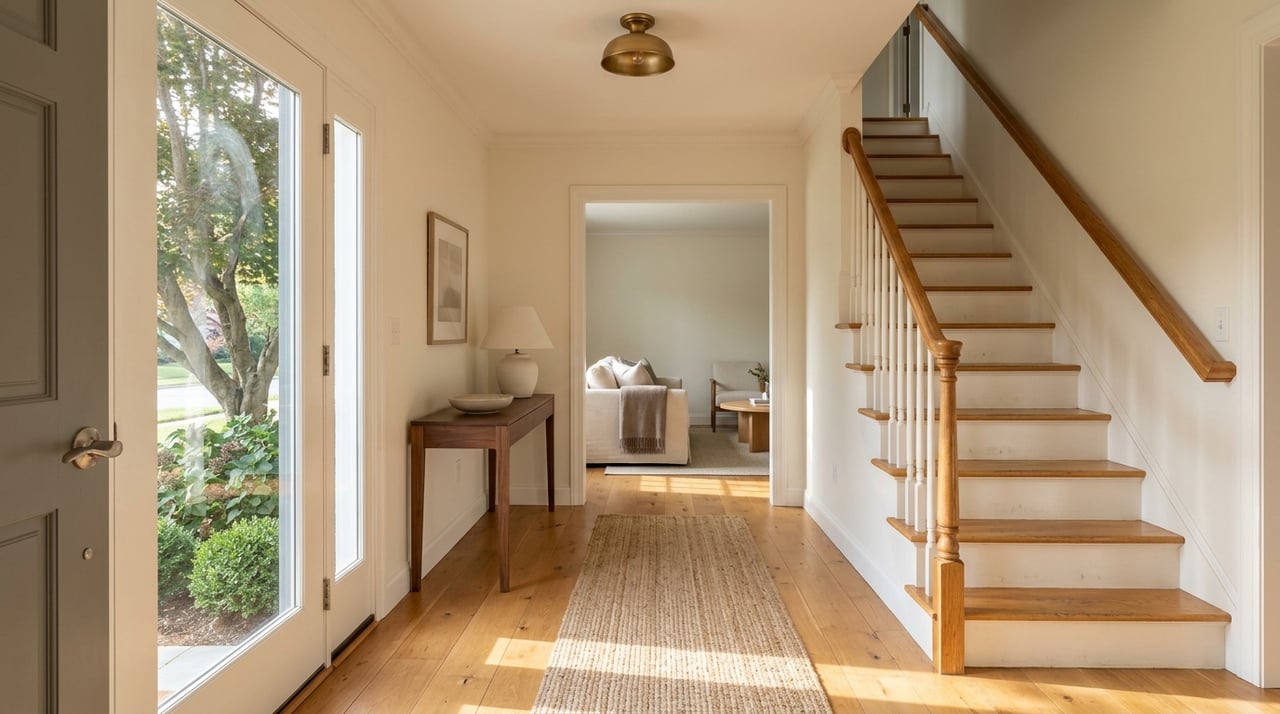
Your entry sets the tone right away. In a commuter-friendly city like Summit, a clean foyer, mudroom, or front hall can quietly show buyers that the home works well for coats, shoes, bags, and busy arrivals.
Keep this space simple and open. If the layout allows, add a narrow console or small bench, keep the floor visible, and use bright lighting so the area feels fresh instead of tight. One mirror or one piece of art is usually enough.
This is one of the easiest places to create a strong first impression. Buyers tend to decide quickly whether a home feels orderly and easy to live in, and the entry is where that story begins.
Open up the living room
The living room is often the most important staging space, and NAR reports it is the room most commonly staged. In Summit, it also tends to be one of the best places to highlight character.
Arrange seating around conversation rather than around extra pieces you do not need. If furniture blocks windows, a fireplace, or built-ins, remove or resize it. You want buyers to notice the room’s scale and architectural features, not wonder how they would move around it.
If your home has original trim, a mantel, or built-in shelving, let those elements lead. Clean them, style them lightly, and avoid trying to modernize everything at once. In many Summit homes, those details are a selling point.
Simplify the kitchen and dining area
Today, buyers often look at the kitchen as both a work space and a gathering space. NAR trend coverage notes that kitchen islands and casual dining areas have become major focal points, which makes visual simplicity especially important.
Clear the counters as much as possible. A bowl of fruit, a small board, or one or two coordinated accessories can be enough. Put away small appliances and anything that makes the room feel busy.
If you have a formal dining room, stage it neatly with a clear purpose. If you do not, use an adjacent area to show a flexible eating or gathering zone. The key is to help buyers understand how the space works without making it feel forced.
Create a calm primary bedroom
The primary bedroom should feel restful, spacious, and easy to maintain. NAR places it among the top staged rooms, and for good reason. Buyers want to imagine comfort here right away.
Use bedding that fits the room well and keep the palette calm. If possible, match nightstands or at least keep the sides of the bed balanced. Remove extra chairs, dressers, or storage pieces if they crowd the walking path.
This room does not need dramatic styling. It needs to feel quiet, clean, and scaled correctly.
Show flexibility in secondary bedrooms
Secondary bedrooms can do more than one job in buyers’ minds. In Summit, where many households are balancing work, commuting, and changing routines, flexibility can be a real advantage.
If you have more than one secondary bedroom, consider giving each room a different story. One can read as a bedroom, while another can suggest guest space, a study area, or a simple office setup. Keep decor light so the room still feels open.
The goal is not to over-stage. It is to help buyers see useful options instead of a blank or cluttered room.
Refresh bathrooms with simple fixes
Bathrooms do not have to feel luxurious to make a strong impression. They do need to feel clean, bright, and cared for.
Fresh white towels, clear counters, and tidy storage go a long way. If caulk, grout, hardware, or lighting needs attention, handle those updates early. In a market where owner-occupied home values are high, small signs of neglect can feel bigger than they are.
Keep styling minimal. Buyers respond more to cleanliness and maintenance than to decorative extras.
Define a home office or flex space
Many buyers still want a home to support both in-person commuting and work-from-home days. If you have an extra bedroom, alcove, landing nook, or finished corner, give it a clear purpose.
A simple desk, chair, and lamp can be enough to show the function. Avoid leaving these spaces empty if their use is not obvious. Buyers tend to respond better when they can quickly understand how a room fits weekday life.
This matters in Summit because homes are often expected to work hard without feeling overcrowded. A defined flex area can make the full layout feel smarter.
Stage bonus spaces only if ready
Basements, attics, and bonus rooms can help buyers see added value, but only if the space feels finished, dry, and bright. If it does not, keep it clean and organized rather than trying to oversell it.
When a lower level or bonus room is ready to show, choose one main function. That might be a media room, playroom, workout area, or organized storage zone. One strong use is better than several mixed messages.
This is especially helpful in a built-out market where buyers may be looking for usable space within the home’s current footprint.
Do not overlook curb appeal
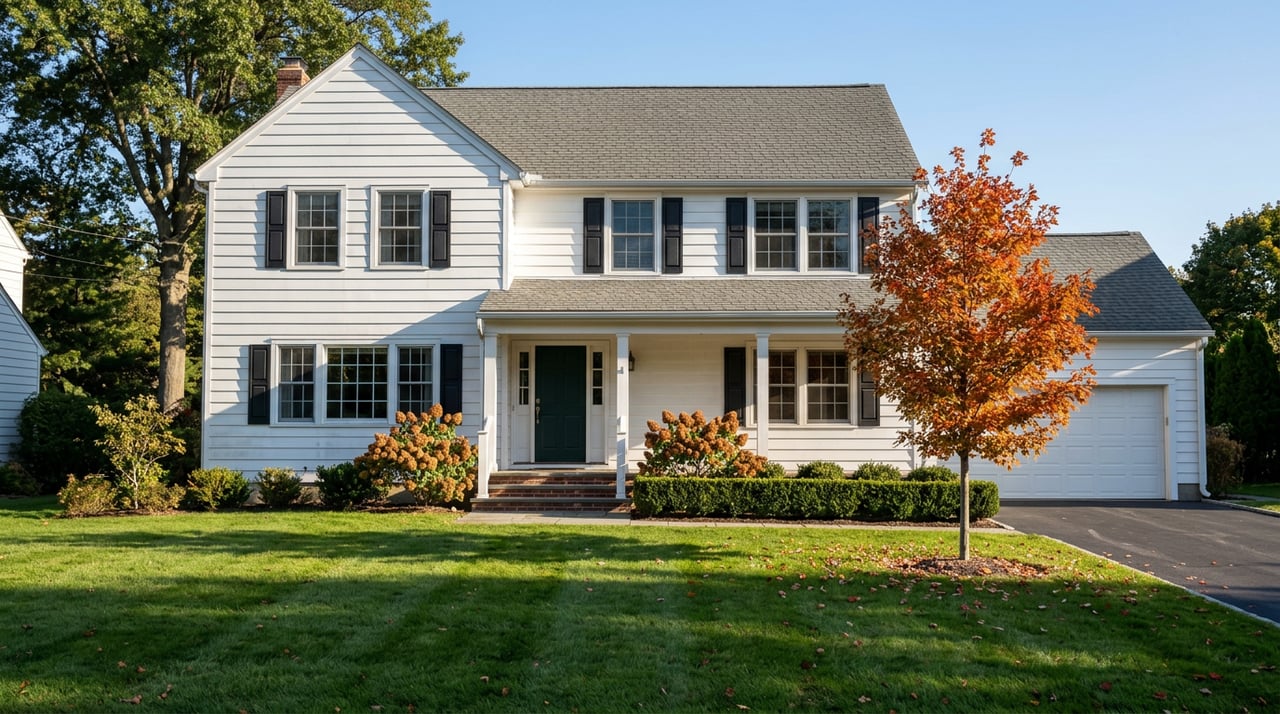
Exterior presentation matters in Summit. Many homes have strong front-facing character, mature landscaping, and welcoming porches or walkways, so buyers notice curb appeal before they ever step inside.
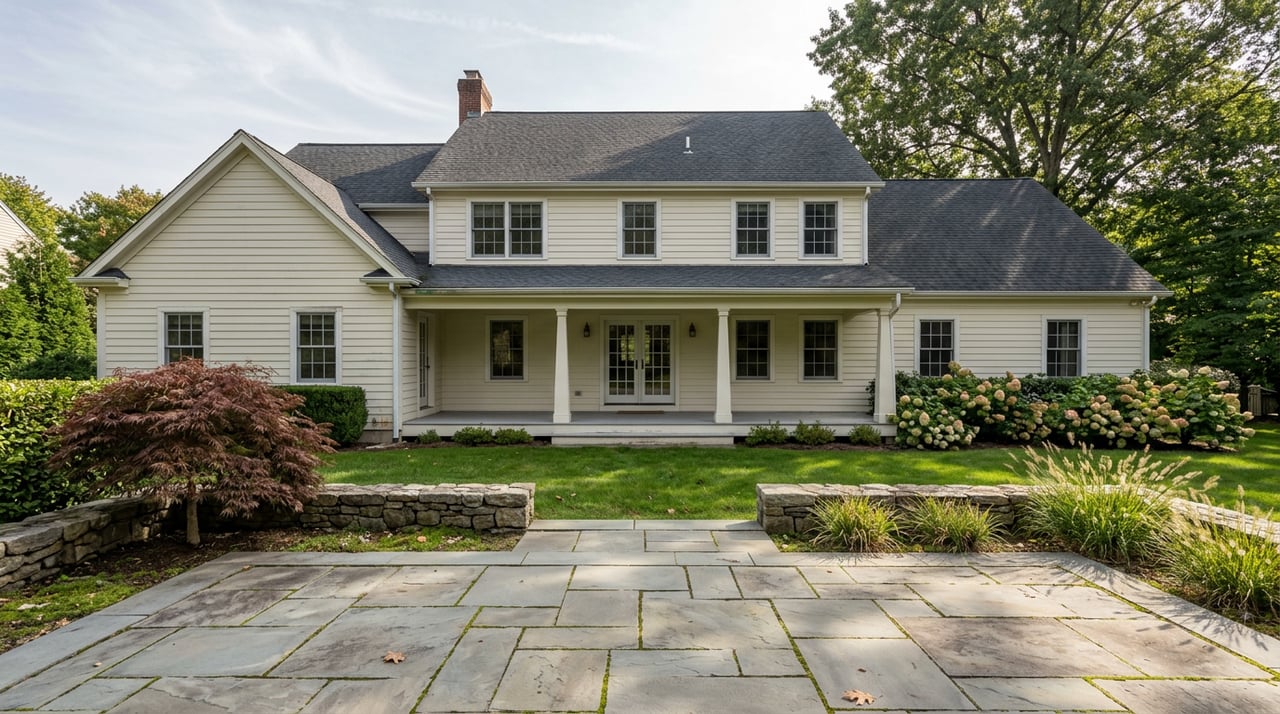
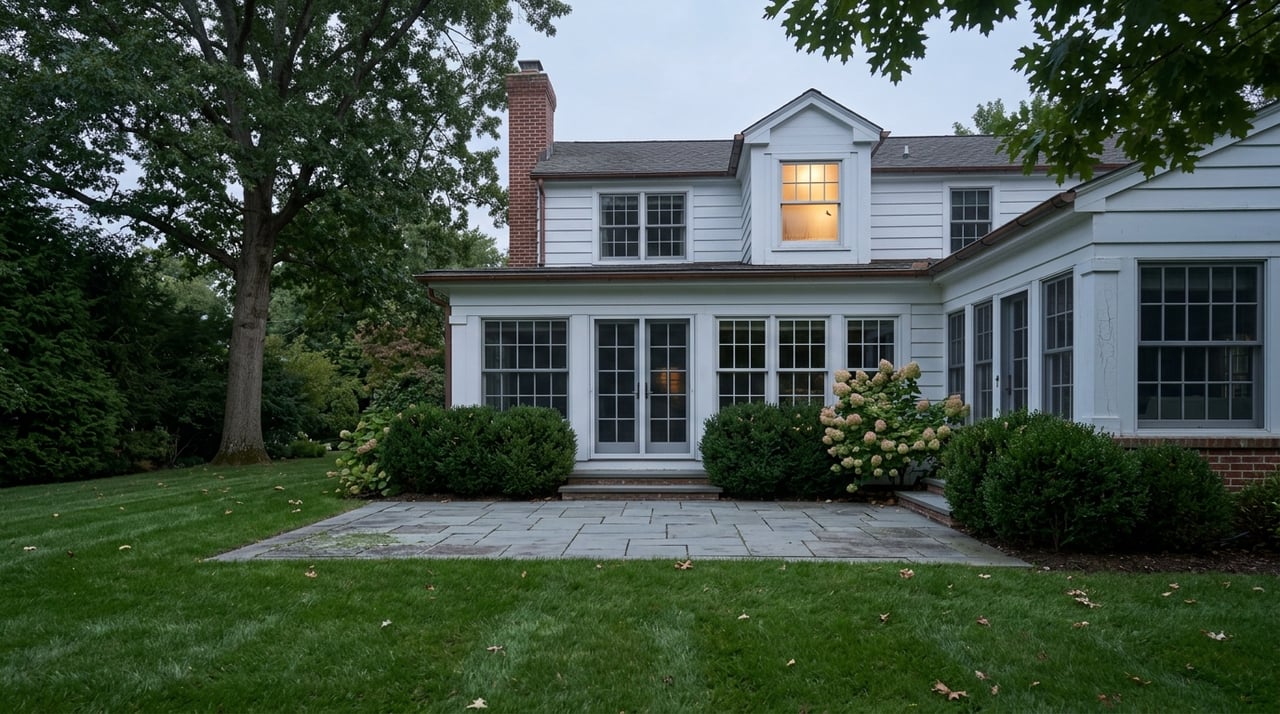
Clean the front walk, freshen mulch, trim landscaping, and make sure the front door and hardware look intentional. If you have a porch or patio, add a simple seating group to suggest everyday use. NAR trend coverage notes that outdoor living spaces continue to matter more to buyers, so even modest outdoor staging can help.
This does not need to be elaborate. It just needs to feel maintained and inviting.
Preserve character while updating the feel
One of the biggest staging mistakes in Summit is stripping away too much personality. Historic preservation materials from the city emphasize Summit’s unique architectural heritage and well-preserved old-town character. Buyers in this market may expect charm, but they still want the home to feel move-in ready.
That is why the best staging plan often starts with editing, not replacing. Remove what distracts, brighten what feels heavy, and let original features stay visible. When done well, your home feels fresh without losing the details that make it memorable.
Focus on the highest-impact rooms first
If your staging budget or timeline is limited, prioritize the spaces most likely to shape a buyer’s first impression. Based on national staging patterns and Summit’s local housing style, this order usually makes the most sense:
- Entryway and curb appeal
- Living room
- Primary bedroom
- Kitchen and dining area
- Bathrooms
- Office or flex room
- Outdoor space
- Basement or bonus areas if finished
That approach keeps your energy focused on the rooms buyers notice most in photos, showings, and everyday decision-making.
In Summit, effective staging is usually about clarity, not perfection. A clean arrival, an open living room, a calm bedroom, a tidy kitchen, and a usable outdoor area can help buyers picture daily life quickly and confidently. If you want help deciding where to focus before you list, Jeanne Hofmann offers hands-on staging guidance and practical listing support designed to help sellers prepare with less stress.
FAQs
What rooms should Summit sellers stage first?
- Summit sellers should usually start with the entryway, curb appeal, living room, primary bedroom, and kitchen because those spaces often shape the strongest first impression.
How should you stage a historic home in Summit?
- You should simplify furniture and decor, improve light, and keep original features like trim, mantels, built-ins, and windows visible so the home feels updated but still full of character.
Does staging a Summit home need to be expensive?
- No. In many cases, decluttering, better furniture placement, brighter lighting, and a few simple touch-ups can make a meaningful difference without a full redesign.
How should you stage a Summit kitchen?
- Keep counters mostly clear, store away small appliances, and use only a few purposeful accessories so the kitchen feels clean, open, and ready for everyday use.
Should you stage a Summit basement or attic?
- Only if the space feels finished, dry, and bright. If it does, give it one clear purpose, such as a media room, workout area, playroom, or storage zone.
Why does curb appeal matter for Summit sellers?
- Summit has many homes with strong architectural presence, mature landscaping, and inviting exterior features, so a clean, cared-for front entry can shape buyer interest before they walk inside.