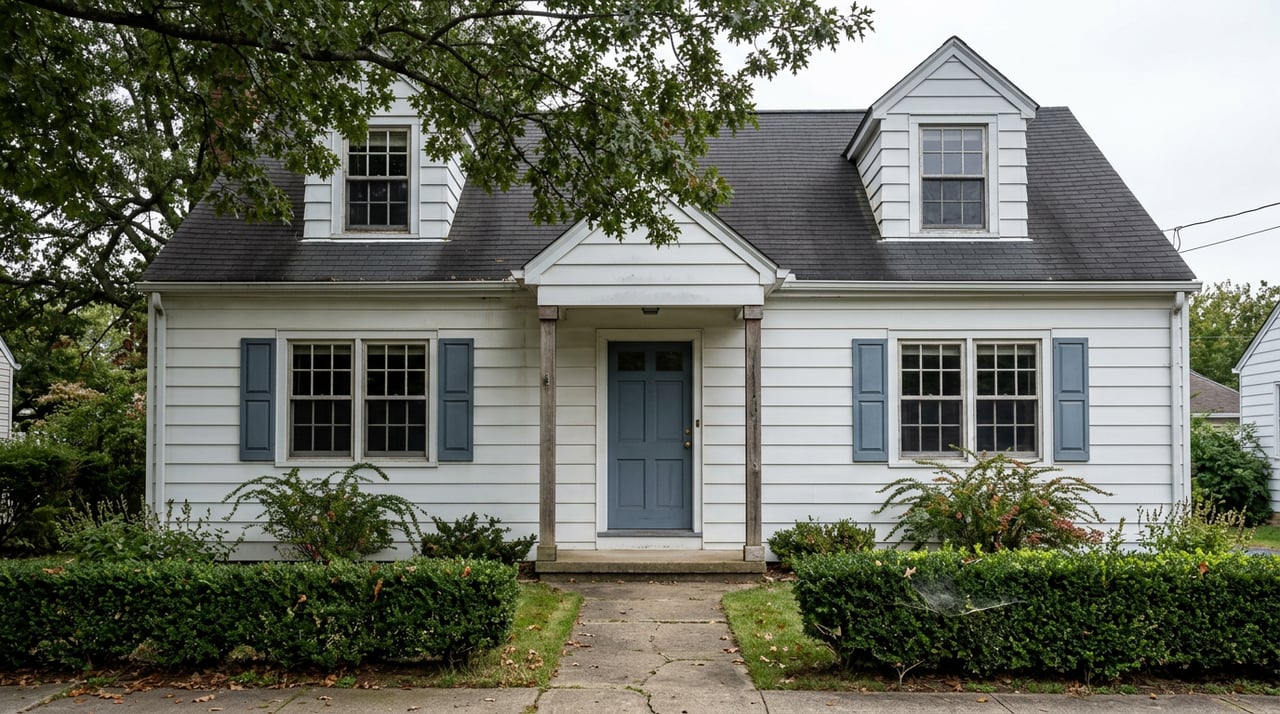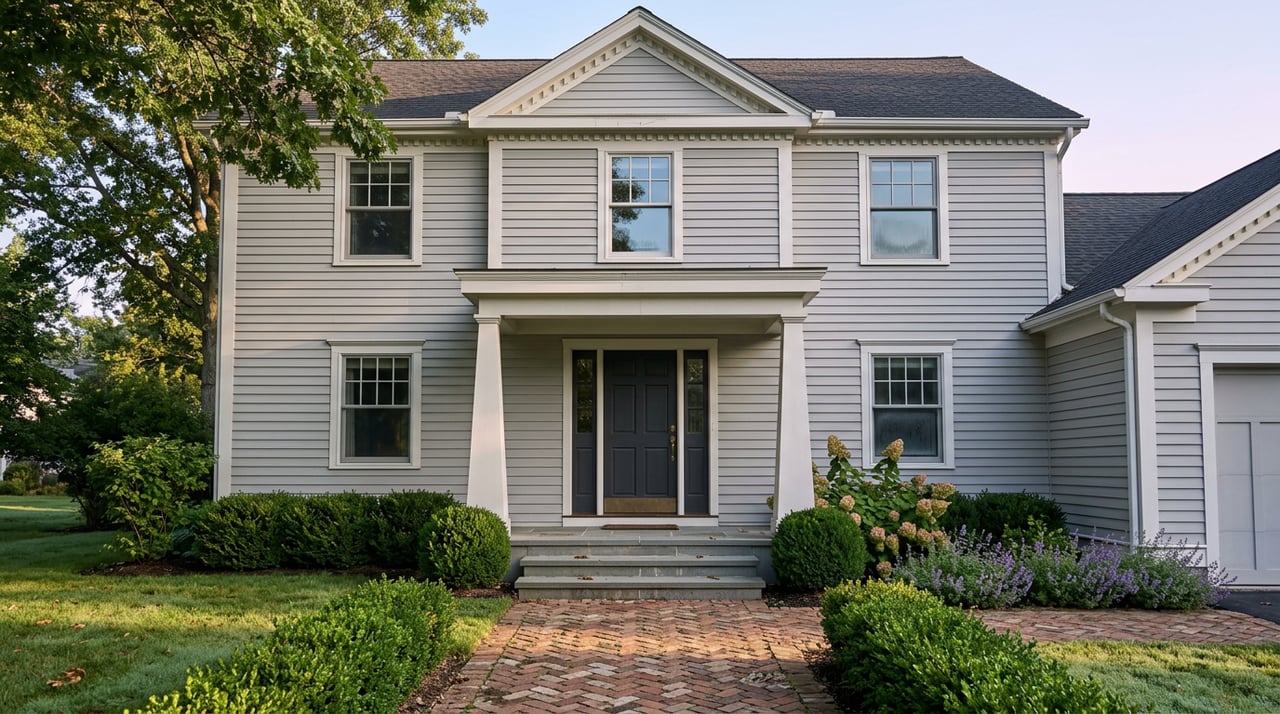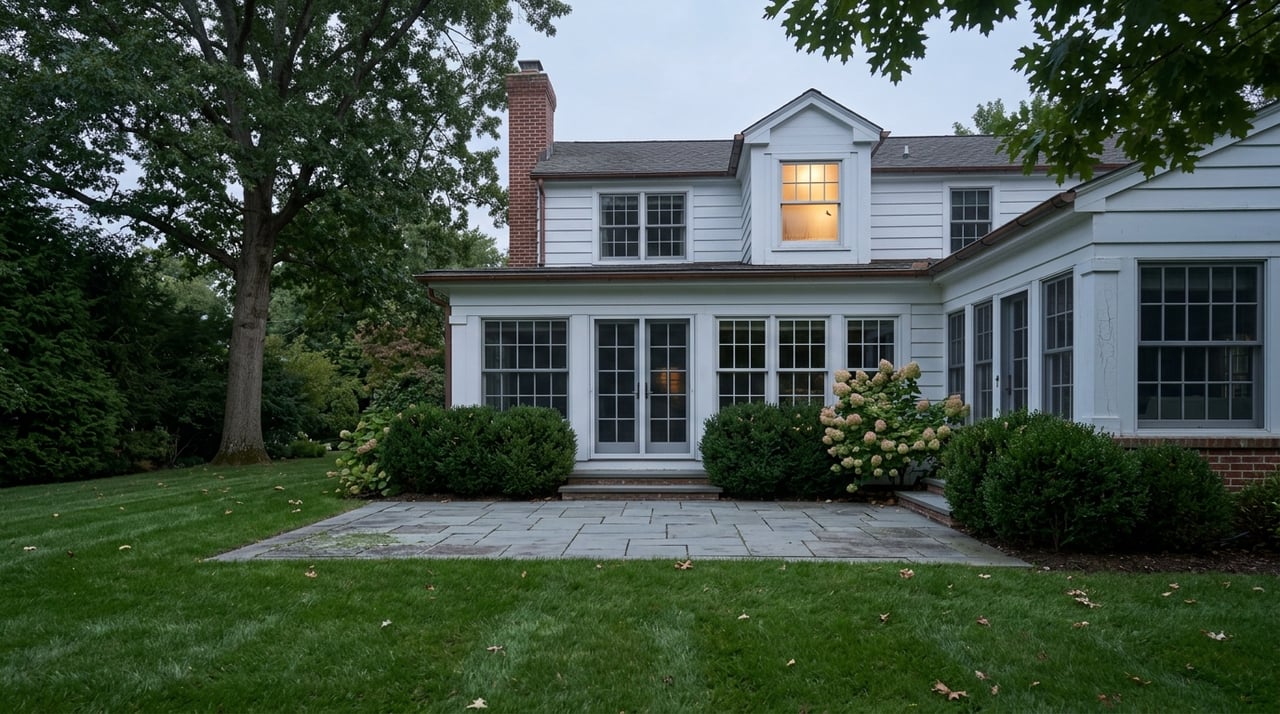
A Summit listing that's been sitting for a month puts sellers in a strange spot. The natural instinct is to shave five percent off the price and wait for the market to catch up. But in a town where the typical home under contract moves in under two weeks, a listing still active after thirty days usually isn't dealing with a small pricing gap. It's telling you something bigger is off, whether that's the number or the condition behind it.
That gap between what the headline says and what's actually happening runs through the entire Summit market right now. Every real estate story out of Summit this year has led with the same alarming number: the median sale price is down sharply from a year ago. Read only that figure and you'd think the town's famously tight market had finally cracked.
It hasn't. Every other metric that measures the same market, price per square foot, days on market, the Zillow Home Value Index, points the opposite direction. The median isn't describing a softer Summit. It's describing a town that closes so few sales in a given month that one or two houses can swing the middle number by six figures. Understanding that difference is the difference between pricing a Summit home correctly this fall and getting it wrong in either direction.
What the Headline Number Actually Measures
Here's what the data looked like at two points this year, both from the same market.
| Metric | Reading | What it actually measures |
|---|---|---|
| Median sale price | $1.2 million in March 2026, down 13.7% year over year | The middle price among whichever homes happened to close that month |
| Price per square foot | $661, up 2.8% year over year | Value adjusted for the size and type of what actually sold |
| Days on market | 13, down from 15 a year earlier | How quickly prepared, correctly priced homes are moving |
| Zillow Home Value Index | $1,113,781, up 3.9% over the past year | A smoothed estimate built to resist distortion from a single high or low sale |
| Sale price vs. asking price, July 8 to August 8, 2026 | Up 5.3% compared with the prior 30-day window | Whether sellers are landing near, at, or above their asking price |
Line these up and the story reverses. The one figure built to be sensitive to volume, the median, fell. Every figure built to smooth out volume rose, or at minimum showed a market moving faster and closer to asking price than it had a month before. When a volume-sensitive number and several volume-resistant numbers disagree, the volume-sensitive number is the one to distrust.
Why Eight Houses Can't Set a Town's Price
The mechanism here is simple arithmetic, not a hidden weakness in Summit's desirability. In the month that produced that 13.7% median decline, Summit closed eight homes. The year before, it closed fifteen. A median is just the middle value in a sorted list. When that list has eight entries instead of fifteen, a single high-end estate sale falling out of the mix, or a single starter home falling into it, can move the reported "typical" price by a hundred thousand dollars or more without a single home actually losing value.
That same pattern showed up again heading into late summer. Garden State MLS data covering July 8 through August 8, 2026 showed the average sale price down 2.7% from the prior 30-day period, but average days on market fell 11.6% over that same window, and the average sale price as a percentage of asking price rose 5.3%. Homes were moving faster and closing nearer their ask, while the average dollar figure wobbled downward. That's not a market losing pricing power. That's a market with too few closings for any single average to hold steady month to month.
The practical read for anyone transacting in Summit this year: the market isn't polite about mediocrity, and it isn't calm about anything. A well-prepared, correctly priced home clears in about two weeks. A home that's still sitting well past that window, or that needed a price cut to attract a first offer, isn't experiencing a soft market. It's experiencing the specific consequence of being priced or presented wrong in a town where buyers have very little patience for either.
Two Reasons Demand Never Actually Left
If Summit's market were genuinely cooling, you'd expect the things that anchor buyer demand to be loosening too. They aren't.
The first is the commute. Summit sits on NJ Transit's Morris and Essex Line with Midtown Direct service into New York Penn Station, a one-seat ride with no transfer required, typically 35 to 40 minutes during peak hours. That matters more in Union County than it sounds like it should, because most of the county's other commuter towns, including several just a few miles away, route through a transfer at Newark or Hoboken before reaching Manhattan. Eliminating that transfer is the kind of daily friction buyers pay a premium to avoid, and it's a structural advantage that doesn't move with a slow month of closings.
The second is property tax. Summit's effective tax rate for the 2025 tax year came in at 1.48%, below the comparison baseline for both Union County and the state. On a comparably priced home, that's real annual savings against neighboring towns that a relocating buyer is likely cross-shopping in the same weekend. Neither of these advantages shows up in a Zestimate or a median price headline, but both of them are doing quiet work to keep buyer demand inelastic even when the number of monthly closings is thin.
Why New Supply Keeps Stalling Too
The other half of why Summit behaves this way is that new inventory has a hard time getting built at all. The city's marquee redevelopment site, Broad Street West, was originally envisioned around 140 rental units and became one of the most contested items at City Council meetings, drawing organized resident opposition that pushed the project toward a smaller, revised direction capped at four stories. It remains the project most likely to add meaningful downtown housing this decade, and it still hasn't broken ground.
With that path stalled, most of Summit's near-term new housing is arriving through a different channel: the state's Fourth Round affordable housing process. On February 12, 2026, a Superior Court judge approved Summit's amended Housing Element and Fair Share Plan, assigning the city a present need of 59 rehabilitation units and a prospective need of 345 new-construction units, mostly concentrated into a handful of named overlay zones rather than spread across single-family neighborhoods. Those zones include a site near Broad, Walnut, and Industrial Place, plus overlays touching Morris, Plain, and Aubrey streets, the Central Retail Business District, DeForest Avenue, and 39 Park Avenue.
If you're weighing a purchase in Summit, the practical question isn't whether new supply is coming, it's whether it's coming near you. Single-family sections outside those named overlay footprints aren't part of the density map, and they're unlikely to see meaningful new inventory from this process. That's one more reason the town's low monthly sales counts aren't a temporary dip. They're closer to the town's normal operating condition.
What This Means If You're Deciding This Fall
Put the pieces together and the guidance is consistent whether you're buying or selling.
- Don't price or evaluate a Summit home against the town-wide median. Compare it against recent closings in its specific price band and section of town.
- Treat days on market as the more honest signal. A prepared home clears in under two weeks right now. A home sitting well past that has a real gap between its price and the market, not a rounding error.
- Weight the commute and tax advantages into your long-term math, not just the sticker price. They're part of why demand hasn't followed the median down.
- If you're watching a specific overlay zone for new inventory, understand that most of Summit's housing stock outside those zones will keep arriving the way it always has: one resale at a time.
Frequently Asked Questions
Does Summit's falling median mean home values are actually dropping? Not based on the metrics built to resist the volume problem. Price per square foot rose 2.8% year over year, and the Zillow Home Value Index rose 3.9% over the same period. The median fell because Summit closed roughly half as many homes as the year before, not because homes lost value.
Will the Fourth Round housing plan change what's available to buy in Summit? Only in and around the named overlay zones tied to the approved plan, including sites near Broad, Walnut, and Industrial Place and the Morris, Plain, and Aubrey corridor. Single-family neighborhoods outside those zones aren't part of the density map established by the court-approved settlement.
How should I think about pricing a home in a market like this? Price to the recent comps in your specific section of town rather than the town-wide average, and expect the market to move quickly if the price and presentation are right. Given how fast well-prepared homes are currently clearing, a listing that lingers is usually signaling a real gap, not a minor one.
If you're trying to make sense of what a headline number means for your specific Summit street, section, or price band, that's exactly the conversation worth having before you list or make an offer. Jeanne Hofmann has been reading Union County's town-by-town numbers long enough to know when a median is telling the whole story and when it isn't. Schedule a free consultation to talk through where your home, or the home you're chasing, actually sits in this market.