Picture yourself walking to Rahway Station, grabbing coffee on the way, and coming home to a low‑maintenance space that fits your life. If you want convenient commuting, modern amenities, and less weekend upkeep, a condo or townhome in Rahway can be a smart move. You may be a first‑time buyer or downsizing from a single‑family home. Either way, you want clear steps, realistic costs, and local insight you can trust. In this guide, you’ll learn what you can buy in Rahway, how HOA fees work, key due diligence with associations, commute and parking tips, and how to keep your contract timeline on track. Let’s dive in.
Why Rahway works for condo buyers
Rahway’s downtown is a designated Transit Village with ongoing redevelopment and a walkable station area that supports demand for attached homes near transit. You will find arts venues, new housing, and a growing mix of retail options around the station. That transit‑oriented setting helps condos and townhomes hold appeal for commuters and locals who want easy routines. You can explore the city’s resurgence in the Municipal Spotlight on Rahway’s Transit Village.
Typical NJ Transit ride times from Rahway to New York Penn Station range from about 25 to 40+ minutes depending on the train and time of day. Schedules change, so confirm the run you plan to take on the Northeast Corridor or North Jersey Coast lines. For context on service, see the Northeast Corridor Line overview.
Quick ZIP code note
Rahway’s primary ZIP is 07065. If you see 07066, that is Clark, which borders Rahway but is a different town. To avoid confusion in your search filters, double‑check the ZIP when you save listings. You can verify ZIP details on Rahway’s ZIP code page.
What you can buy in Rahway
Condos near the station
Near downtown and the train, you will see mid‑ to high‑rise condo buildings with staffed lobbies, fitness rooms, package rooms, and common lounge or roof spaces. Two‑bedroom units often run about 1,000 to 1,300 square feet. HOA dues in amenity buildings often fall in the 300 to 450 dollars per month range, with covered parking available for an additional monthly fee in some cases. Always confirm what the fee includes and whether parking is bundled or offered separately.
Townhomes in HOA communities
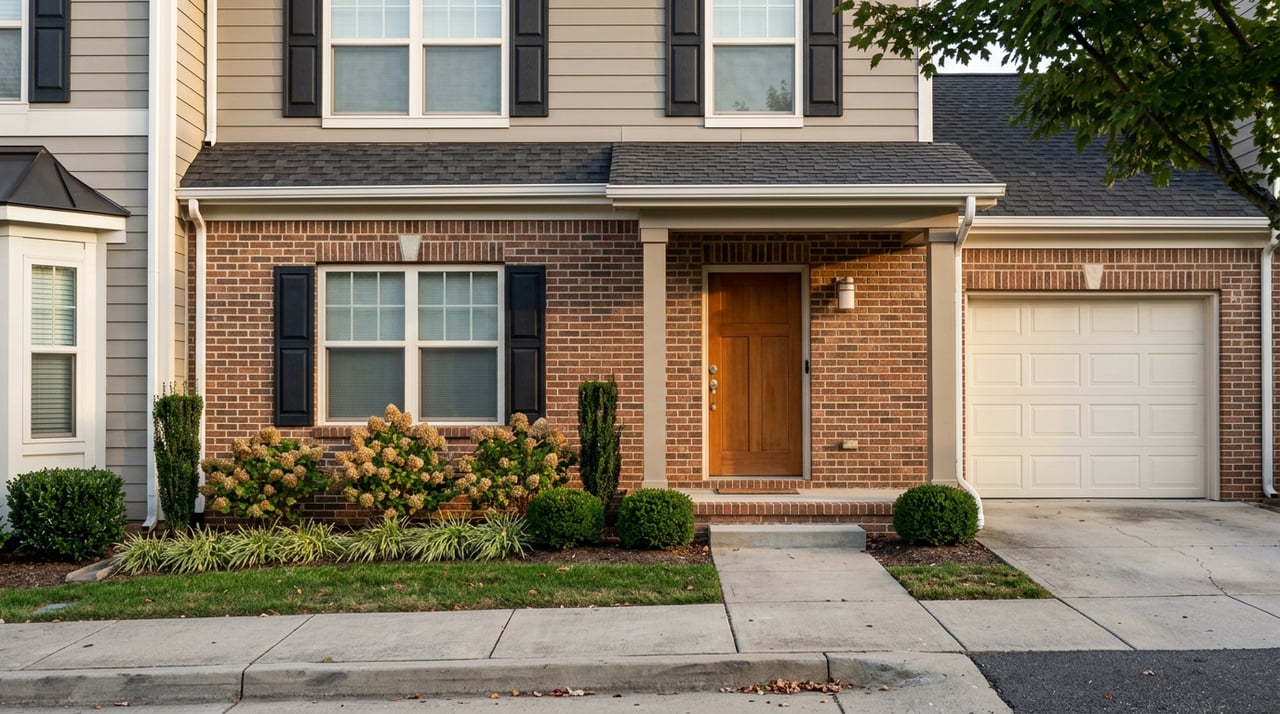
Across Rahway, townhome communities offer 2 to 3 bedrooms, multi‑floor layouts, and garages or assigned parking. Many range from roughly 1,700 to 2,700 square feet, which can feel closer to a single‑family home. HOA dues often appear in the 300 to 600 dollars per month range where the association handles snow, landscaping, and private road care. Some townhomes are fee‑simple with an HOA, while others are part of a condominium regime, so review the ownership structure before you buy.
Prices and monthly costs to expect
Two‑bedroom condos near the station commonly trade in the mid‑300s to 500s depending on size, building, and finishes. Townhomes often list and sell in the mid‑400s to 600s depending on age, square footage, and location. Broad market snapshots from major aggregators show Rahway’s overall median home values in the mid‑500s, with variation by data source and season. For your offer strategy, rely on recent sold comps in the same building or community.
HOA dues for Rahway condos and townhomes typically land between 250 and 500 dollars per month, with higher fees in buildings that run elevators, gyms, or concierge services. What a fee covers can vary. Common inclusions are landscaping, snow removal, exterior maintenance, building insurance, water or sewer, trash, elevator service, and amenity operations. Ask for a written breakdown in the resale packet so you know exactly what you are paying for.
HOA health, reserves, and assessments
The financial health of the association matters to your wallet and your lender. A strong reserve fund lowers the risk of surprise special assessments. Ask for the most recent reserve study, current reserve balance, and any planned capital projects. For background on smart reserve funding, review this overview on community association reserves.
Request the full resale or estoppel package early. In New Jersey there is no single statewide turnaround time, so give the management company several business days to produce the documents. A practical explainer on timing and content is here: guide to HOA estoppel and resale certificates.
What to request and review:
- Resale packet with declaration/CC&Rs, bylaws, rules, and recent board minutes
- Current budget, year‑to‑date financials, and balance sheet
- Reserve study and current reserve balance
- Master insurance declarations and deductibles
- Any past or pending special assessments, litigation, or large claims
If you want a quick checklist of what is typically included, see this outline of resale package contents.
Financing and project approvals
Many lenders apply project‑level standards for condos. Factors can include owner‑occupancy, reserve levels, HOA delinquency rates, single‑entity ownership, commercial space, and litigation. If a project does not meet agency standards, financing may require a larger down payment or a portfolio loan. Review the basics in Fannie Mae’s project standards overview.
Using FHA or VA? Check whether the community is currently approved or if a single‑unit approval is possible. You can search the FHA database here: HUD condo approval lookup. Confirm details with your lender at the start of attorney review to avoid delays.
Insurance and your HO‑6 policy
Condo owners carry an HO‑6 policy that fills the gaps left by the building’s master policy. Your HO‑6 typically covers personal property, personal liability, loss of use, and interior improvements, plus optional loss assessment coverage that can help with master policy deductibles after a covered claim. Clarify the master policy boundary, such as walls‑in or bare‑walls, before you bind coverage. For a plain‑English walkthrough, read this guide on HO‑6 insurance.
Inspections and building condition
Order a standard home inspection for the unit and pay special attention to water intrusion, HVAC age, and ventilation. Ask the association for any building engineering reports, roof or façade assessments, elevator service records, and the latest reserve study. Significant deferred maintenance on common elements often leads to special assessments and can impact lender approvals. If you have concerns, consult your inspector and attorney during the review window.
Parking, storage, and commute tips
Parking terms vary widely. In some high‑rises, parking is a separate monthly fee in a garage. In townhome communities, you may have an attached garage or assigned surface spaces. Ask whether parking is deeded, assigned, or first‑come, and whether there are guest restrictions or fees. Storage lockers, bike rooms, and package rooms are helpful, so confirm availability and any related costs.
For your commute, compare express and local trains and test travel at your usual times. Options can shift with schedules and track work, so plan a route that fits your routine. If transit is a top priority, focus your search within a short walk to the station and confirm actual footsteps during a showing.
New Jersey contract and closing timing
New Jersey’s standard realtor contracts include a three‑business‑day attorney‑review period after both parties sign. During this time, either attorney can disapprove the contract. Use this window to request association documents, refine contract language, and align inspection timelines. You can read a state Supreme Court discussion of the process here: NJ attorney review overview.
If you are buying or selling above one million dollars, note that New Jersey updated the supplemental Realty Transfer Fee in mid‑2025, shifting the responsibility for the supplemental portion to sellers for contracts on or after July 10, 2025. This matters for closing cost estimates on higher‑priced sales. See the New Jersey Realtors summary of the transfer fee.
Local due diligence extras
- Flood awareness. Parts of Rahway sit near the Rahway River. Confirm a unit’s specific flood exposure using FEMA mapping and discuss flood insurance needs with your insurer and attorney.
- Rental policies. If you may rent your unit in the future, verify any rental caps, minimum lease terms, and current owner‑occupancy levels. These can affect both financing and flexibility.
- Noise and location. If you are sensitive to rail or street noise, visit at different times of day and test with windows open.
Quick buyer checklist
- Get pre‑approved and discuss condo project standards with your lender
- Confirm ZIP 07065 in your search and save building‑specific comps
- Budget for HOA dues, parking, and an HO‑6 policy
- Request the full resale/estoppel package on day one of attorney review
- Review reserves, minutes, planned projects, and insurance deductibles
- Verify FHA/VA or agency project approval if you need it
- Schedule inspections and review any building reports
- Confirm parking, storage, and any separate fees in writing
- Test commute options and walk the neighborhood at your usual hours
Buying attached housing involves a few extra steps, but a steady process makes it smooth. If you want local guidance on building histories, HOA norms, and pricing in Rahway’s condo and townhome communities, let’s talk. As an Accredited Buyer’s Representative with deep Union County experience, I will help you compare options, read the documents, and move with confidence.
Ready to start? Schedule a free, no‑pressure consult with Jeanne Hofmann to plan your Rahway search.
FAQs
What is the difference between a condo and a townhome in Rahway?
- Condos usually offer lower maintenance and shared amenities, while townhomes often provide more interior space and sometimes private outdoor areas. Ownership can be condominium or fee‑simple with an HOA, so review the legal form in the resale documents.
How long is the train ride from Rahway to NYC?
- Typical NJ Transit rides to New York Penn Station range from about 25 to 40+ minutes depending on the train and time of day. Check the schedule for your exact run.
What do HOA fees usually cover in Rahway condos and townhomes?
- Common line items include landscaping, snow removal, exterior maintenance, building insurance, water or sewer, trash, elevator service, and amenities. The exact inclusions are specific to each association; review the resale packet for details.
How can I tell if a Rahway condo is FHA or VA approved?
- Ask your lender to check project approval status early and search the HUD condo approval lookup. If not approved, ask your lender about single‑unit approval options.
What should I look for in an HOA’s reserves and assessments?
- Request the latest reserve study and current reserve balance, plus board minutes that discuss capital projects. Adequate reserves reduce the risk of special assessments when major repairs are needed.
What is New Jersey’s attorney‑review period, and how does it help me?
- After both parties sign, there is a three‑business‑day attorney‑review window. Use it to request association documents, adjust terms, and align inspection and financing timelines.
Are Rahway condos or townhomes in flood zones?
- Some locations near the Rahway River may carry flood risk. Check FEMA maps for the specific property and discuss flood insurance requirements with your insurer and attorney before you commit.