If you are shopping or selling in Westfield, one question comes up fast: do you want the charm of a classic home or the ease of a newer build? In a town where most homes were built decades ago and inventory moves quickly, that choice can shape everything from your budget to your renovation plans. Understanding the tradeoffs can help you make a smarter move in a competitive market. Let’s dive in.
Why home age matters in Westfield
Westfield has an older housing stock than many suburban markets. According to the town’s 2023 housing element, 63% of housing units were built before 1960, 36% before 1940, and just 1.1% were built in 2020 or later.
That means classic homes are not the exception here. They are a major part of the town’s identity. The same report also notes that 77.7% of housing units are single-family detached and 80.3% are owner-occupied, which helps explain why buyers often focus closely on style, condition, and long-term livability.
Westfield was also largely built out by about 1970, according to the town’s housing and design materials. So when you see a newer home, it is often either newer construction on an existing lot or a home that blends newer systems and layouts with a more traditional exterior.
Westfield’s classic home styles
One reason buyers are drawn to Westfield is its deep architectural variety. The town’s historic design guidelines identify 10 historic districts and 64 individual sites, with older housing fabric in areas such as Boulevard, Stoneleigh Park, Terrace Park, Westfield Gardens, Wychwood, Kimball Avenue, and Mindowaskin Park.
Queen Anne and Shingle Style
Some of Westfield’s oldest homes date to the late 1800s through about 1910. Queen Anne homes often feature towers, turrets, balconies, projecting bays, and ornate millwork, while Shingle Style homes are known for wood shingle exteriors, broad roofs, grouped windows, and wraparound porches.
These homes tend to stand out for texture and detail. If you love individuality and period craftsmanship, this era offers some of Westfield’s most visually distinctive houses.
Colonial Revival and Dutch Colonial
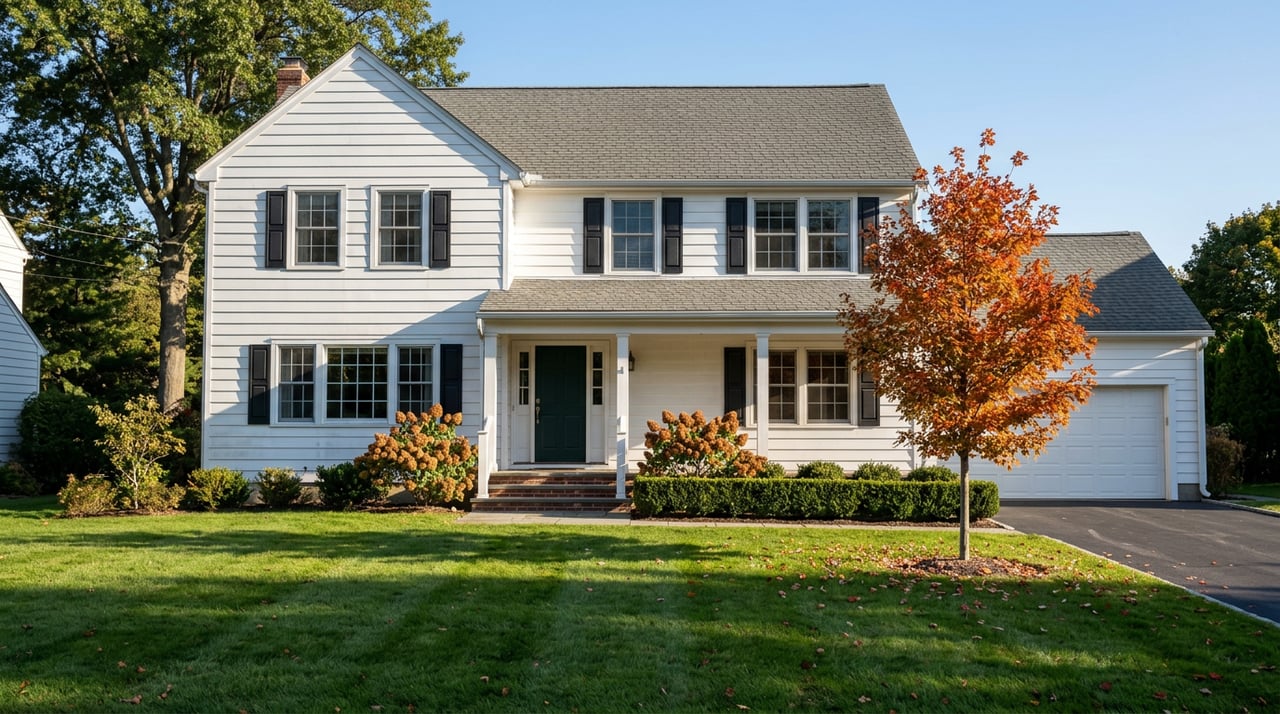
Westfield’s most common classic look is often Colonial Revival. The town describes these homes as larger-scale interpretations of colonial precedents, often with double-hung sash windows, accentuated front doors, sidelights, and porch or portico features.
You may also see Dutch Colonial homes with gambrel roofs. These styles remain popular because they balance traditional curb appeal with floor plans that can often be updated for modern living.
Four Square, Craftsman, Tudor, and Cape Cod
Westfield also includes Four Square homes with cubical forms, large dormers, and full front porches. Craftsman homes usually feature low-pitched roofs, wide eaves, exposed rafters, and tapered porch posts.
If you prefer storybook details, Tudor Revival homes often have steep gables, decorative half-timbering, and elaborate chimneys. Cape Cod homes offer a simpler profile, usually with side-gable roofs, dormers, and symmetrical facades.
What buyers love about classic homes
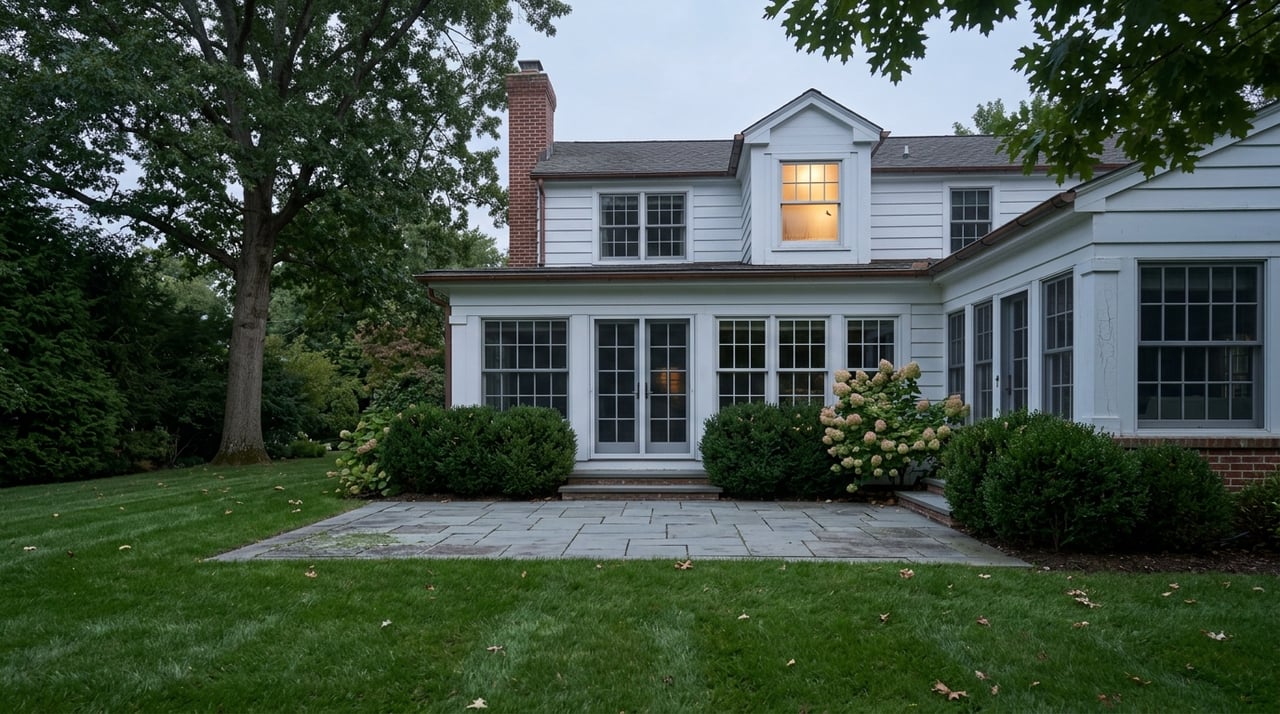
Classic homes often appeal to buyers who want character that cannot be easily replicated. Original millwork, mature landscaping, front porches, and architectural details can create a strong emotional connection the moment you walk in.
In Westfield, that appeal can matter a lot. In a market where homes move fast, a well-preserved older property with thoughtful updates can compete strongly because buyers may be willing to trade some maintenance needs for charm and location.
Older homes can also offer a streetscape feel that many buyers value. Westfield’s preservation materials describe tree-lined neighborhoods and a formal historic-resource framework, which helps preserve the town’s traditional look over time.
What to consider with classic homes
Character usually comes with upkeep. Westfield’s design guidelines point to common maintenance areas in older homes, including roofs, gutters, windows, doors, porches, trim, siding, and masonry.
For example, the town notes that original roof form and materials should be retained when possible, built-in gutters should be preserved, and wooden double-hung windows are common in older buildings. Historic porches should not be removed, and synthetic siding is strongly discouraged on historic buildings.
If you are buying an older home, it helps to look past finishes and focus on the condition of these core elements. If you are selling one, smart preparation and clear documentation of updates can make a big difference in how confidently buyers respond.
What newer builds look like in Westfield
Because Westfield was largely built out by about 1970, truly new inventory is limited. The town’s older postwar growth introduced Ranch homes and other midcentury options, while more recent construction often comes in the form of rebuilt or substantially updated homes.
The town describes Ranch homes as one-story, low-slung homes with broad eaves, large picture windows, and patios or courtyards. They offer a different feel from older porch-centered homes and can appeal to buyers who want simpler layouts or easier one-floor living.
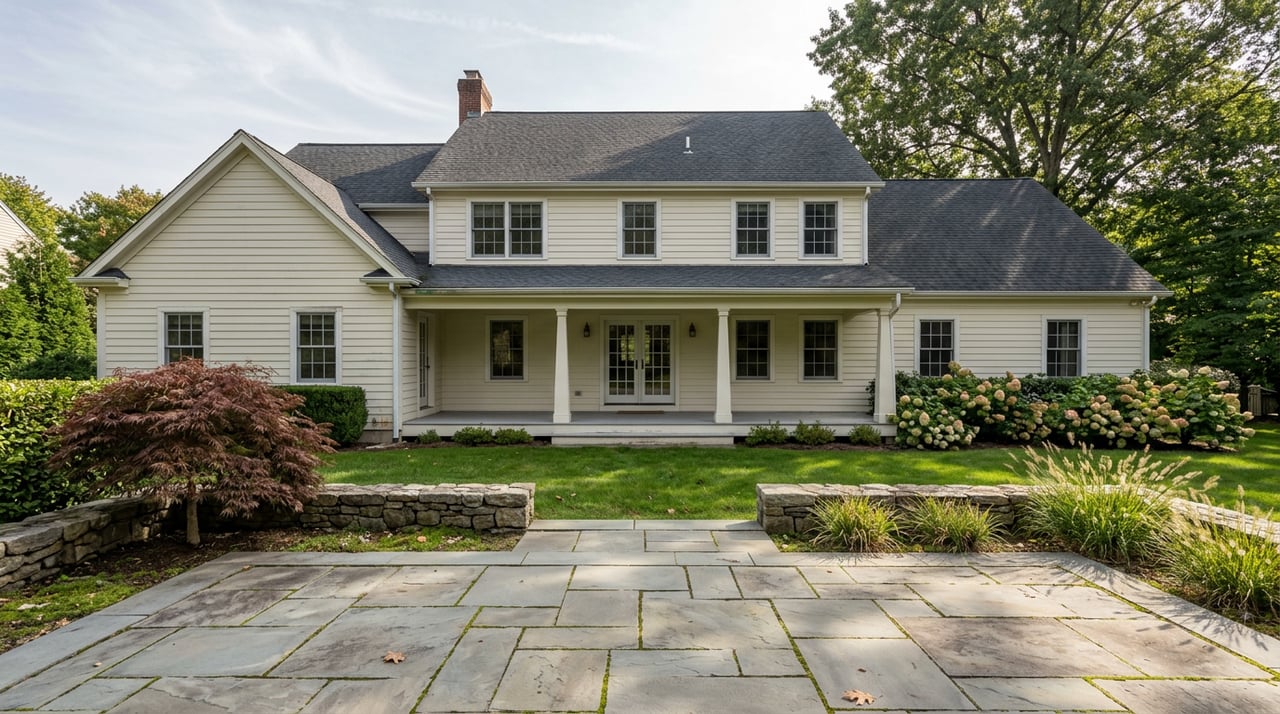
Recent new-home listings in Westfield suggest that many newer homes are still marketed in a traditional Colonial style, but with more modern interiors and systems. Common features include open-concept floor plans, kitchen islands, family rooms, mudrooms, guest suites, attached garages, and multi-zone HVAC.
What buyers love about newer homes
The biggest draw of a newer home is usually convenience. You may get a layout designed for how people live today, along with updated systems that can reduce near-term maintenance.
Newer homes also tend to appeal to buyers who want turnkey space. Open kitchens, mudrooms, attached garages, and more flexible family areas can be especially helpful if you want modern function without taking on a major renovation right away.
In a fast-moving market, that can be a real advantage. According to Redfin’s Westfield market data, the median sale price was $1.45M in February 2026, median market time was 23 days, and the sale-to-list ratio was 108.3%. Zillow’s market snapshot also pointed to a high-priced, quick-moving market, reporting an average home value of $1,269,853, homes pending in about 9 days, and 41 homes for sale as of March 31, 2026.
What to consider with newer builds
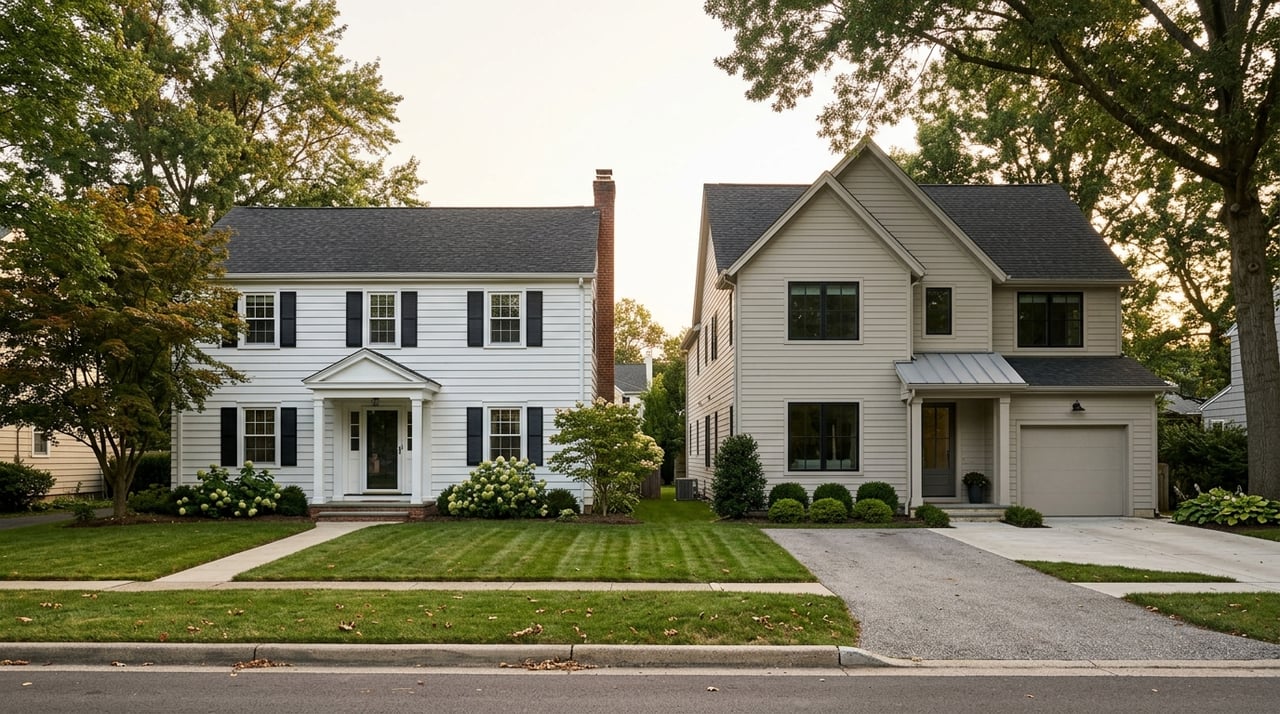
Newer does not always mean easier from a design standpoint. In Westfield, new construction and major additions are expected to fit the surrounding streetscape.
The town’s design guidelines say contemporary designs can be acceptable if they are compatible with the neighborhood. They specifically emphasize setbacks, street orientation, roof rhythm, and garage placement, with garages usually set behind the main wall of the house.
That matters if you are building, buying a recently built home, or planning major changes after closing. In some parts of town, exterior design is not just about personal taste. It also involves local review and compatibility with the surrounding area.
Historic review can affect your plans
If a home is designated or located in a historic district, exterior work may require more review. Westfield’s Historic Preservation Commission reviews work on designated properties and advises homeowners on construction projects.
For buyers, this is not necessarily a negative. It can help preserve neighborhood character. But it does mean you should understand the approval process before assuming you can change windows, siding, porches, roofing, or other exterior features on your own timeline.
For sellers, this is also useful to know before listing. If you have completed exterior work, it helps to be organized and ready to answer questions about what was done and whether approvals applied.
Classic vs newer: which fits you best?
The right choice usually comes down to your priorities. In Westfield, both older homes and newer builds can be strong options, but they serve different lifestyles.
| Priority | Classic Home | Newer Build |
|---|---|---|
| Architectural detail | Often a major strength | Usually more streamlined |
| Layout style | May be more traditional | Often more open and flexible |
| Near-term maintenance | Can be higher | Often lower |
| Historic review potential | More likely | Less likely, depending on location |
| Original charm | Typically higher | Usually depends on design choices |
| Turnkey feel | Varies by updates | Often a key selling point |
If you love craftsmanship, mature surroundings, and one-of-a-kind details, a classic home may feel worth the extra effort. If you want modern flow and fewer immediate projects, a newer home may be the better fit.
Tips for buyers in Westfield
If you are comparing home styles in Westfield, keep these practical steps in mind:
- Look beyond finishes. Pay attention to rooflines, windows, siding, porches, and overall condition.
- Ask about updates. In older homes, recent work on roofs, gutters, masonry, and windows can matter as much as kitchen or bath remodels.
- Check location context. If a property is in or near a historic district, learn what that may mean for future exterior changes.
- Balance charm and function. Think honestly about whether you want open-concept living, one-floor living, or formal rooms.
- Move quickly, but carefully. Westfield remains competitive, so preparation matters before the right home hits the market.
Tips for sellers in Westfield
If you are selling a classic or newer home, presentation matters in both cases.
For classic homes, highlight what buyers cannot easily find elsewhere. That may include original woodwork, porches, rooflines, mature landscaping, and well-executed updates that respect the home’s style.
For newer homes, focus on function and ease. Features like open layouts, newer systems, mudrooms, garages, and move-in-ready condition often connect quickly with buyers.
In either case, pricing and preparation are critical in a market this active. Thoughtful staging, clear positioning, and a strong understanding of what buyers value in your specific part of Westfield can help you stand out.
Whether you are drawn to timeless details or modern convenience, the best move is the one that fits your goals, budget, and comfort with upkeep. If you want help comparing Westfield home styles, preparing your home for sale, or understanding what buyers are responding to right now, Jeanne Hofmann offers hands-on, local guidance backed by practical market insight.
FAQs
What are the most common classic home styles in Westfield?
- Westfield’s classic housing includes Queen Anne, Shingle Style, Colonial Revival, Dutch Colonial, Four Square, Craftsman, Tudor Revival, Cape Cod, and Ranch homes, according to the town’s design guidelines.
Are there many new construction homes in Westfield?
- No. Westfield’s housing stock is mostly older, and the town’s housing element says only 1.1% of units were built in 2020 or later.
Do older homes in Westfield need more maintenance?
- Often, yes. Westfield’s guidelines point to roofs, gutters, windows, doors, porches, trim, siding, and masonry as common areas that need ongoing attention in older homes.
Can you renovate a historic home in Westfield?
- In some cases, yes, but exterior work on designated properties may be reviewed by the Historic Preservation Commission, so it is important to understand local requirements before making plans.
Are newer homes in Westfield always modern in style?
- Not necessarily. Recent listing examples show that many newer homes are marketed with traditional Colonial-style exteriors paired with modern interiors and updated systems.