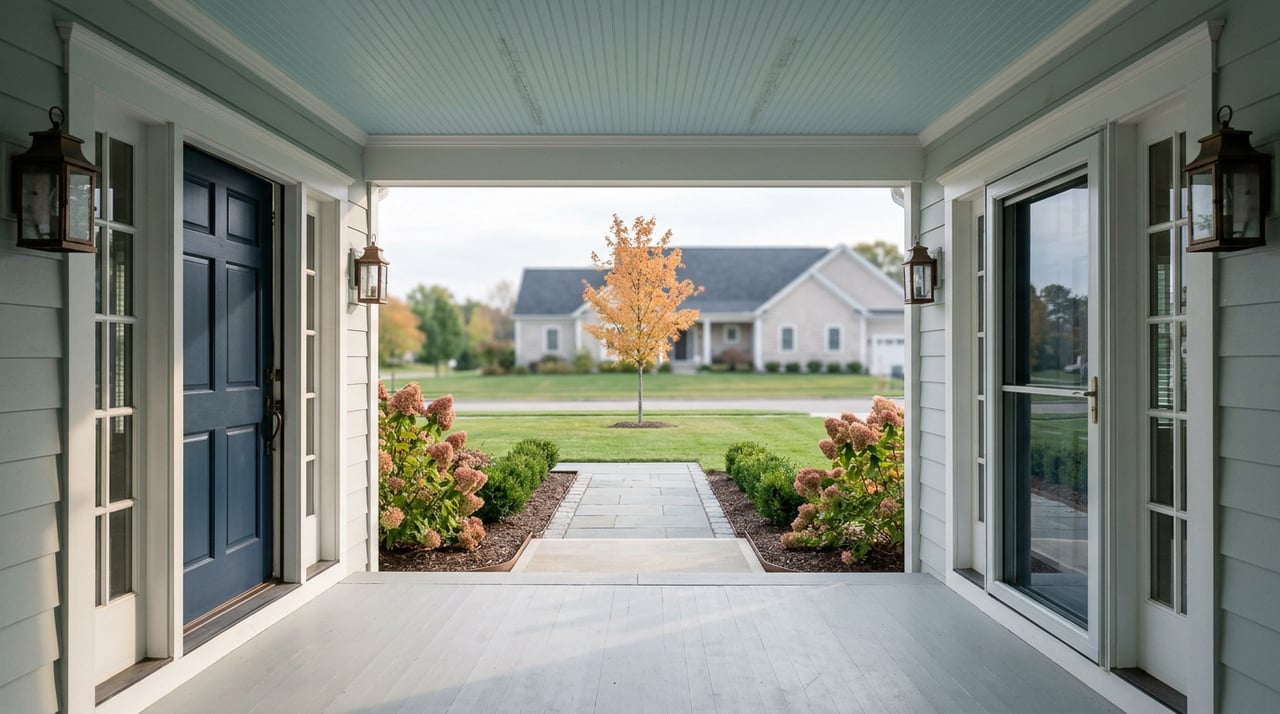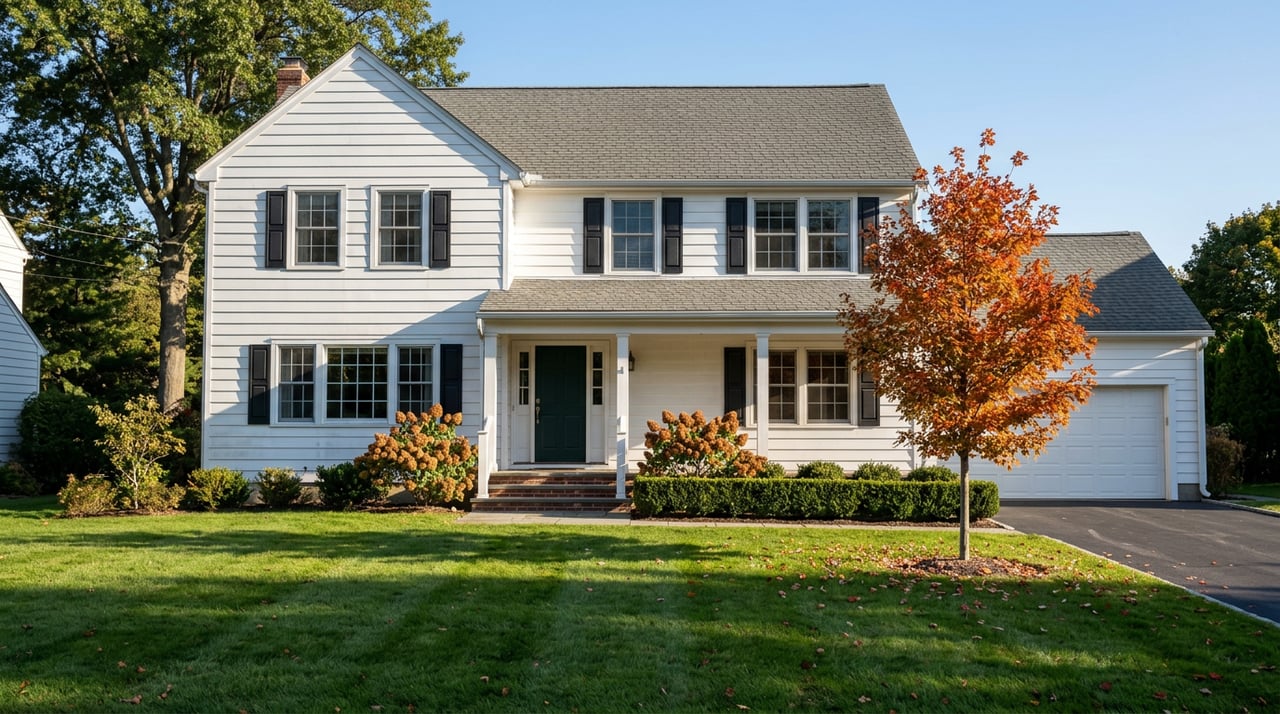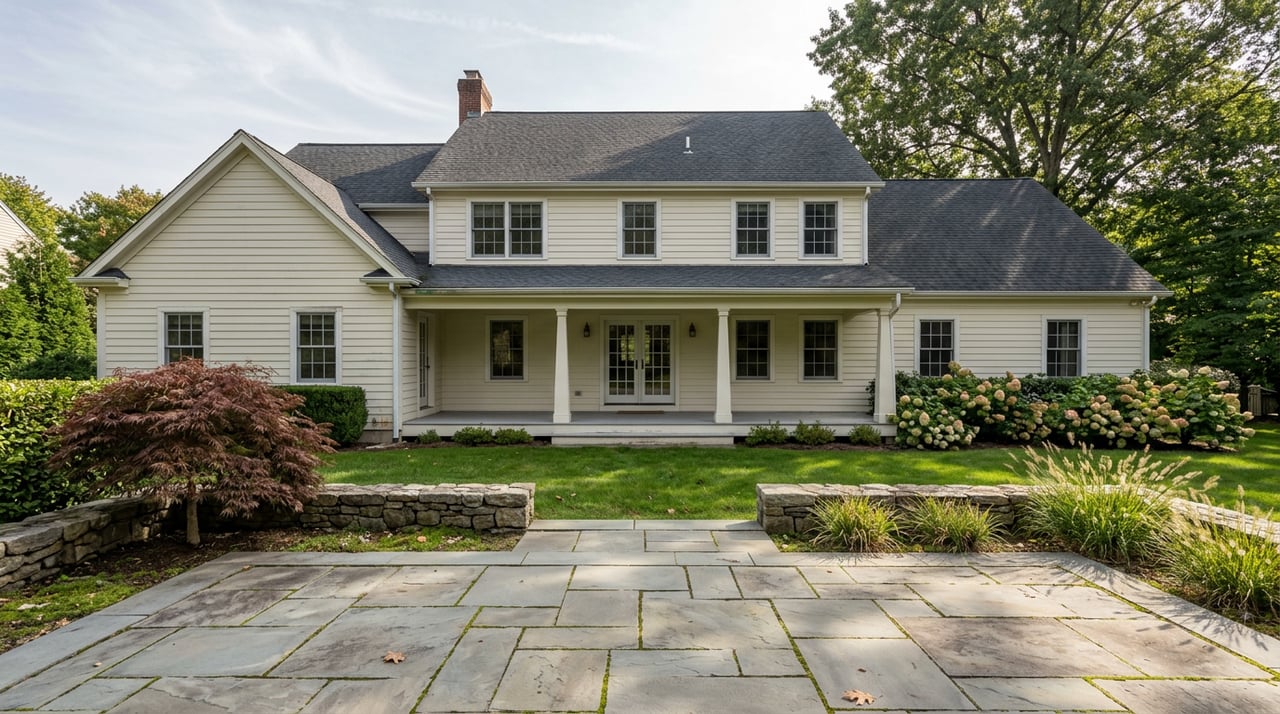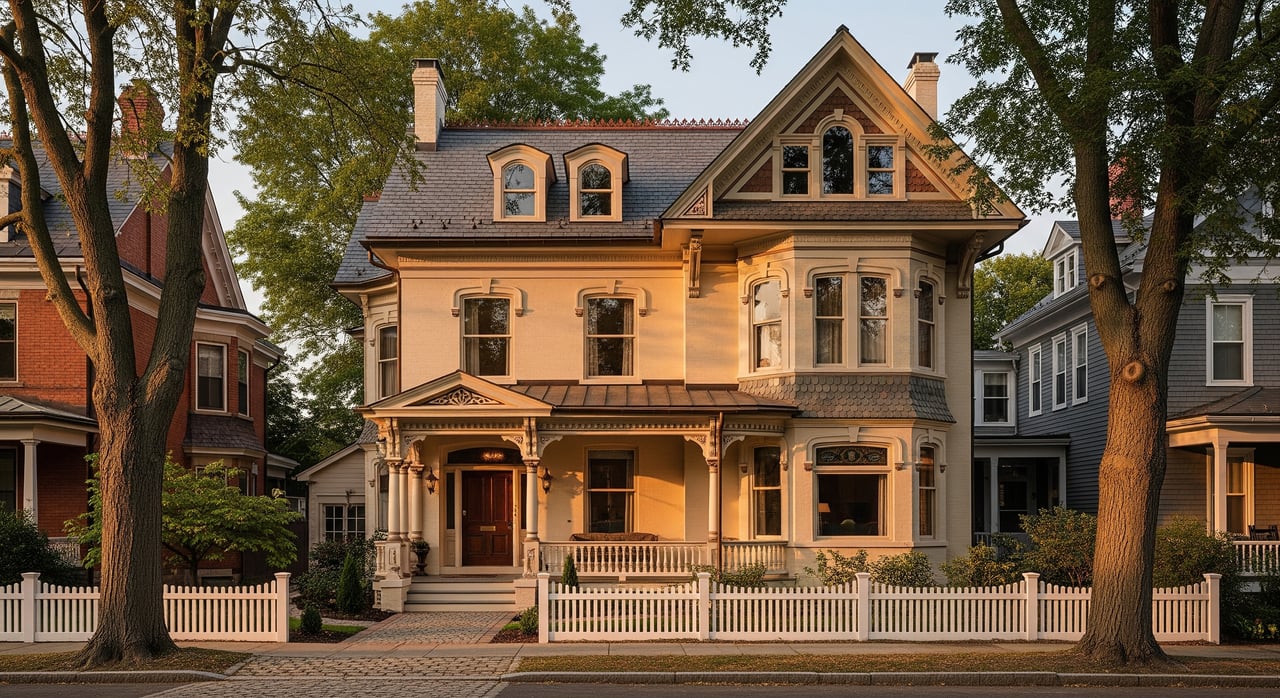
You can spot a Cranford charmer from a block away: a deep front porch, tapered columns, maybe a stained-glass window that catches the afternoon light. If you love that kind of character, you also know older homes come with questions. What style am I looking at? What upgrades should I budget for? How do I check flood risk near the Rahway River? In this guide, you’ll learn how to recognize Cranford’s most common historic styles, what their features mean for day-to-day living and upkeep, and how to tour and plan like a pro. Let’s dive in.
What “historic” means in Cranford
Cranford’s character homes mostly date from the late 1800s through the early 1900s. You’ll see Victorians from the late 19th century and Colonial Revival, Dutch Colonial, and Craftsman/Bungalow homes from the early 20th century. Many have been updated over the years, so original details often sit alongside newer systems and finishes.
Some Cranford neighborhoods are close to the Rahway River, and parts of town have experienced flooding in the past. Before you get attached to a property, check federal flood maps and Cranford’s municipal floodplain information for the address. Also confirm local permitting rules before planning exterior work. Municipal building and permit offices, along with Union County planning departments, are your first stop for requirements.
Spot the styles in 07016
Victorian (Queen Anne, Folk Victorian)
- Exterior cues: Asymmetrical facades, steep roofs with gables, bay windows, wrap-around or partial porches with turned posts and spindlework, and decorative shingles.
- Interior cues: Irregular room shapes, formal parlors, high ceilings, ornate staircases, fireplaces with decorative mantels, and stained or leaded glass accents.
- What it means for you: Expect higher porch and roof maintenance and more compartmentalized rooms. Restoring ornate millwork can be rewarding but may be costly.
Colonial Revival and Dutch Colonial
- Exterior cues: Symmetrical facades and centered entries with pediments. Dutch Colonials feature gambrel roofs and dormers with multi-pane double-hung windows.
- Interior cues: Central-hall layouts, balanced rooms, built-in cabinetry, and substantial but simpler trim than high-Victorian homes.
- What it means for you: These homes are often easier to adapt to modern living while preserving symmetry. Converting a central hall to an open plan usually requires structural work.
Craftsman/Bungalow
- Exterior cues: Low-pitched gabled roofs with wide eaves and exposed rafter tails, tapered porch columns on brick or stone piers, and an inviting front porch.
- Interior cues: A flowing living-dining area, extensive built-in bookcases and window seats, generous wood trim, and original wood floors.
- What it means for you: Built-ins often remain functional and add value. Low roofs and porches need regular upkeep. Interiors typically modernize well without losing character.
Key features and what they mean
Millwork and built-ins
Expect deep baseboards, crown moldings, picture rails, wainscoting, mantels, and built-in bookcases. These details boost enjoyment and resale appeal. Refinishing is usually better than replacing to preserve value. Damaged or water-ruined pieces can be expensive to replicate.
Porches and exterior woodwork
Front porches are major lifestyle assets and a hallmark across styles. Over time, wood porches can develop rot, sagging, loose railings, and peeling paint. Budget for regular repainting and occasional structural repairs to decking, columns, or steps.
Floorplans and flow
Victorians favor formal, compartmentalized rooms. Colonial Revival homes center around a main hall. Craftsman plans feel more open but still define rooms. If you want an island kitchen or larger primary suite, you may need structural changes, new plumbing runs, or creative closet solutions.
Windows and doors
Original double-hung wood sash are common, sometimes with stained or leaded glass in Victorian homes. They add charm, but single-pane glass is drafty. You can often restore original windows and add storm units to improve comfort. Full replacements can improve efficiency, but choose historically appropriate units to protect character.
Roofs, chimneys, and masonry
Older homes may have started with slate or wood shingles. Today, asphalt replacements are common. Slate and tile last long but need specialized repairs. Older chimneys often need repointing, flashing updates, or partial rebuilding. Keep an eye on mortar and brick or stone details.
Foundations and basements
You may see stone, brick, or early concrete foundations. Look for settling, mortar wear, and moisture. Solutions can include repointing, waterproofing, or underpinning. Watch for efflorescence, damp smells, and joist or sill damage.
Systems and efficiency
Outdated electrical (including knob-and-tube), galvanized or lead supply lines, and older boiler or steam systems are common in vintage homes. Insulation may be minimal. Plan for safety and comfort upgrades. Many buyers coordinate electrical, plumbing, HVAC, and insulation improvements in stages or as part of a larger renovation.
Hazardous materials
Homes built before 1978 may have lead-based paint. Testing and certified abatement or stabilization may be needed if hazards are present, especially if children will live in the home. Older properties can also contain asbestos in insulation, floor tiles, or pipe wrap. Test before any work that might disturb suspect materials. Moisture-prone areas can harbor mold or wood-destroying insects, so inspect carefully.
Touring checklist for Cranford
Use this quick list during showings to spot wins and red flags.
Exterior
- Porch: Check for sagging, soft boards, loose railings, and water stains at posts and sills.
- Siding and masonry: Note peeling paint, wood rot, bulging bricks, or failing mortar.
- Roofline: Look for uneven areas, sagging gutters, missing flashing, or slate issues.
- Drainage: Confirm gutters and downspouts carry water away and that grading slopes from the foundation.
Interior
- Floors and structure: Feel for uneven floors and look for patched sections.
- Walls and ceilings: Watch for cracks, stains, and wide patches that suggest past leaks.
- Millwork and trim: Inspect baseboards, mantels, and built-ins; test doors and windows.
- Stairs and rails: Check stability and note historic elements like newel posts and balusters.
- Mechanical rooms: Note ages and types of systems, and check the electrical panel type.
Basement and attic
- Basement: Look for cracks, efflorescence, standing water, or mold.
- Attic: Check insulation depth, ventilation, and signs of roof leaks or pests.
Smells and comfort
- Persistent musty or chemical odors can signal moisture or outdated systems.
Smart questions to ask
- When were the roof, boiler or furnace, AC, and water heater replaced?
- Have there been sewer, foundation, or structural repairs, and were permits obtained?
- Has lead paint or asbestos testing or abatement been done?
- Is the property in a flood zone, and has it experienced flooding? What mitigation measures are in place?
- Are there local historic designations that affect exterior changes?
Inspections and tests to consider
- Full home inspection by an inspector experienced with older homes.
- Structural engineer review if you see settlement, big spans, or prior wall removals.
- Wood-destroying insect inspection.
- Chimney inspection if a fireplace or wood stove is present.
- Lead-based paint risk assessment for pre-1978 homes and asbestos testing before renovation.
- Sewer scope, especially for very old lines or suspected cast iron.
- Energy audit if comfort and efficiency are priorities.
Renovation, permits, and financing
Exterior changes, additions, and structural work usually require municipal permits. Check with Cranford’s building department for requirements and timelines. If a property is in a designated historic district or is a landmark, exterior alterations may require review by a local historic preservation commission, so verify early.
If you plan updates, explore renovation-friendly financing. Two common options are:
- FHA 203(k) loans for qualifying buyers, which combine purchase and rehab costs into one mortgage for owner-occupied homes.
- Fannie Mae HomeStyle Renovation loans, which also combine purchase and renovation for owner-occupied or investment properties.
Appraisals, contractor bids, and scope approvals vary by program, so ask lenders about documentation and timing. Federal historic tax credits primarily apply to income-producing properties, not most single-family residences. State incentives change over time. For New Jersey programs and guidance, consult the New Jersey Historic Preservation Office.
Planning the work
Prioritize health and safety first, then comfort and efficiency, then cosmetics.
- Address water and structure: Fix active leaks, foundation issues, and unsafe wiring. Stabilize porches and stairs and verify roof and flashing.
- Upgrade systems: Plan electrical service, HVAC, plumbing, and insulation. Coordinate trades so walls only open once.
- Preserve character: Restore windows with storms when feasible, refinish floors and millwork, and repair mantels and built-ins that define the home’s style.
- Phase smartly: If budget requires, stage work so you can live in the home comfortably while improvements continue.
Is a Cranford character home right for you?
You get charm, craftsmanship, and porches made for summer evenings. You also take on steady care and strategic upgrades. If that balance fits your lifestyle and budget, you can enjoy a unique home that stands out in today’s market. If you want help weighing trade-offs, planning inspections, or structuring a renovation-friendly offer, reach out to an experienced local buyer’s agent.
Ready to explore Cranford’s historic homes with a clear plan? Connect with Jeanne Hofmann to map your search, schedule tours, and align your offer and inspection strategy. Schedule a free consultation.
FAQs
What historic home eras are common in Cranford 07016?
- Late 19th-century Victorian houses and early 20th-century Colonial Revival, Dutch Colonial, and Craftsman/Bungalow styles are most common.
How does Rahway River flood risk affect a Cranford purchase?
- Some areas have experienced flooding, so check federal and municipal flood maps for the property address and factor mitigation and insurance into your plan.
What inspections are most important for older Cranford homes?
- In addition to a full home inspection, consider structural, wood-destroying insect, chimney, sewer scope, and lead or asbestos testing for pre-1978 homes.
Can I replace original windows in a Cranford historic house?
- Yes, but restoring original sash with storm windows often preserves character and improves comfort; if replacing, choose historically appropriate units.
Which renovation loans help buyers update older homes in Cranford?
- FHA 203(k) and Fannie Mae HomeStyle Renovation loans can combine purchase and rehab costs into one mortgage, subject to lender requirements.
Do historic tax credits apply to Cranford single-family homes?
- Federal historic tax credits mainly apply to income-producing properties; check the New Jersey Historic Preservation Office for any state-level programs.