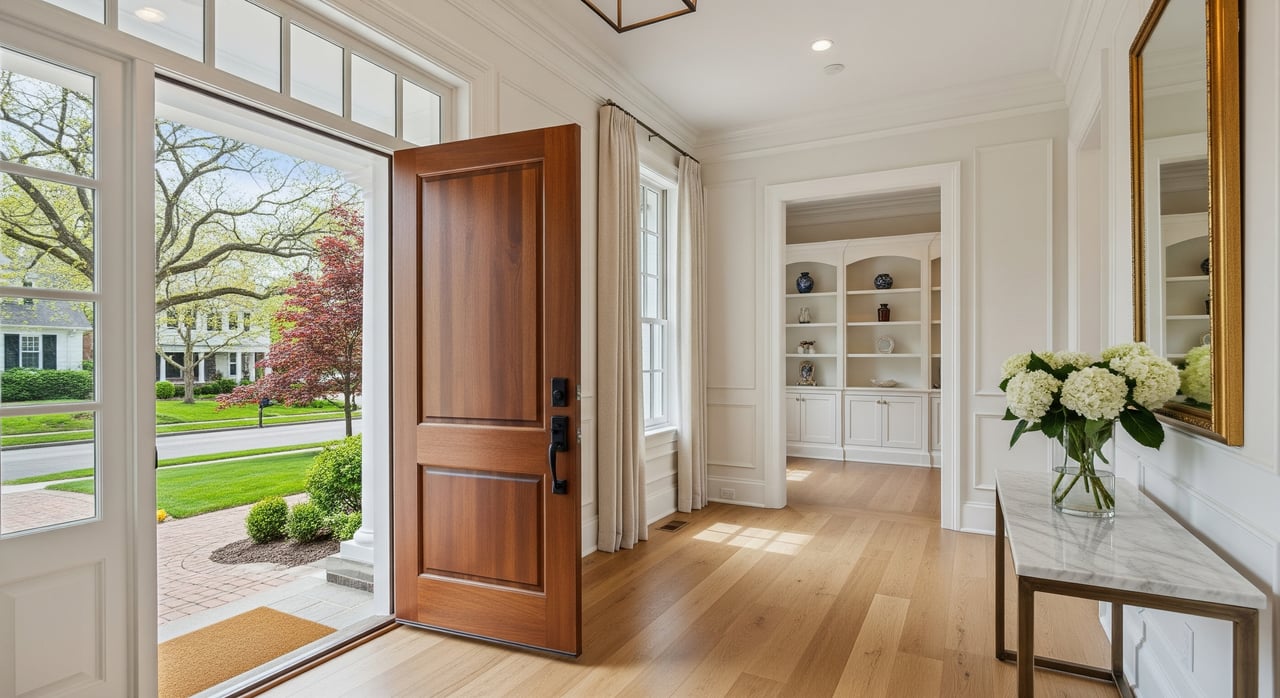
Is your first open house in Fanwood on the calendar and you’re not sure what to expect? You’re not alone. Touring homes can be exciting and a little overwhelming, especially if you want to move quickly when the right place appears. In this guide, you’ll learn how Fanwood open houses typically work, what to bring, what to look for, and how to follow up so you can make smart decisions with confidence. Let’s dive in.
How Fanwood open houses work
Fanwood is a small Union County borough with many early to mid‑20th‑century homes and a mix of renovations. Weekend open houses often run for 1 to 3 hours and are hosted by the listing agent. Some sellers ask for pre‑registration or set appointments, especially for high‑demand homes.
In New Jersey, it is common for buyers and sellers to use real estate attorneys during contract review. If you love a property, be ready for attorney review and timelines that reflect this step. Many first‑time buyers tour multiple homes in one outing, so a clear wishlist and financing prep will help you compare options.
Get ready before you go
Arriving prepared lets you tour efficiently and move fast if a home stands out.
Paperwork and readiness
- Bring a current pre‑approval letter or proof of funds if you plan to offer soon.
- Pack a notepad or checklist, your phone for photos, and a pen.
- If you have a buyer’s agent, share the addresses you plan to visit. Decide whether you’ll tour together or debrief after.
Scheduling and logistics
- Confirm the open house time on the morning of your visit. Plans can change.
- Consider arriving just after opening for a less crowded experience or near closing if you want more time to speak with the agent.
Health, privacy, and safety
- Check for any house rules such as removing shoes or limiting access to certain rooms.
- If you’re bringing children, plan to supervise them closely. Ask about pets before you bring them.
- Bring a mask if you prefer. Local guidance can change.
Clarify your priorities
- List your non‑negotiables such as bedroom count, commute preferences, lot size, or other key needs.
- Note your nice‑to‑haves so you can compare homes fairly and avoid decision fatigue.
What to do during the open house
Etiquette that makes a good impression
- Sign in with basic contact information if requested. Ask what details are required if privacy is a concern.
- Be courteous to the agent and other visitors. Ask before opening closets or cabinets.
- Keep phone calls brief and step outside if needed. Avoid arriving with a large group that blocks access.
- Take photos for personal notes only and respect items that are not part of the sale.
Practical safety and legal notes
- An open house visit is not a substitute for a professional inspection.
- The listing agent represents the seller’s interests. Ask clear questions and plan to verify answers with your agent in writing.
- If you need to re‑measure or revisit a space, request permission.
Quick physical check: what to look for
Use this scan to separate cosmetic updates from potential repair needs.
Exterior and site
- Roof condition and any missing shingles or sagging
- Grading that directs water away from the foundation and visible cracks
- Driveway, walkways, siding or brick, and gutters or downspouts
- Yard size, fencing, and large trees close to the house
Structural and interior
- Ceiling or wall cracks, water stains, uneven floors, and sticky doors or windows
- Odors such as musty or strong chemical scents that could signal moisture or cover‑ups
- Natural light and window condition, including fogging between panes
- Basement or crawlspace signs of moisture such as efflorescence or standing water
Mechanical systems
- HVAC equipment age and any maintenance stickers
- Water heater age and visible condition
- Electrical panel type and the presence of GFCI outlets in kitchen and baths
- Plumbing water pressure, leaks under sinks, and visible pipe condition
Kitchen and bathrooms
- Cabinet function, countertop wear, and appliance age or inclusion in sale
- Tile, grout, and caulking around tubs and showers
Safety items
- Ask about working smoke and carbon monoxide detectors
- Handrails on stairs and general trip hazards
- Radon is not visible. Ask whether recent testing has been done and plan to test during inspection if you proceed.
Cosmetic vs. structural
- Fresh paint and fixtures can be easy updates. Repeated cracks, chronic moisture, or electrical and plumbing upgrades can be costlier.
Questions to ask the listing agent
- How long has the property been on the market and have there been price changes?
- Are there known issues, repair histories, or renovations completed with permits?
- What is the typical range for gas, electric, and water bills?
- How old are the roof, HVAC, water heater, and other major systems?
- Any past pest, mold, or water intrusion problems?
- Is the home in a flood zone or subject to any local ordinances that affect the property?
- What are the current property taxes and any homeowners association fees, if applicable?
Manage your time and take useful notes
Plan to spend 10 to 30 minutes depending on size. Use the same note format for each house so you can compare apples to apples once you get home.
Open house note template
- Address and MLS number
- Date and time visited
- First impression (1 to 10)
- Top 3 positives
- Top 3 concerns or red flags
- Must‑ask follow‑up questions
- Photos taken and notes by photo number
- Estimated condition level: move‑in ready, cosmetic updates, or major repairs
After the open house: decide and act
If you’re interested
Review your notes and photos within 24 hours while details are fresh. Call your buyer’s agent to discuss what you saw and request comparable sales and recent activity nearby. Your agent can also request disclosures, schedule a private follow‑up showing, and clarify offer timing if there is strong interest.
Strategy with your agent
Ask how the property compares to active listings and recent sales in Fanwood. If multiple offers are likely, discuss strategies such as escalation terms, a flexible closing timeline, or other terms that fit your goals. Review which contingencies to include, such as inspection, financing, and appraisal, based on local competitiveness.
In New Jersey, earnest money amounts and timing vary, and attorney review is a common step after acceptance. Your agent can explain typical timelines and coordinate with your attorney.
Inspections and closing costs
Include an inspection contingency with clear timelines. Given Fanwood’s older housing stock, consider specialist inspections such as roof, chimney, HVAC, or septic if applicable. Ask your lender and attorney to help you estimate closing costs that may include attorney fees, title insurance, and taxes.
If it’s not a fit
Note the reasons this home is not right for you. Patterns such as layout preferences, lot size, or repair levels will help you fine‑tune your search and avoid fatigue.
NJ and local resources to keep in mind
- Fanwood Borough offices can help with permits and local ordinances.
- Union County property records and the tax assessor provide tax history and property details.
- NJ Transit’s Raritan Valley Line offers nearby rail service for commuters.
- Local school district websites share boundaries and general information. Use neutral, factual sources when researching schools.
- New Jersey real estate associations and consumer protection resources publish buyer guidance on inspections and disclosures.
Red flags you can spot quickly
- Strong musty or chemical odors that could point to moisture or cover‑ups
- Visible foundation cracks inside or out
- Many quick cosmetic fixes without documentation of major repairs
- Additions or renovations without visible permits or records
- Inconsistent answers about system ages or repairs
Your simple open house checklist
Bring with you
- Pre‑approval letter or proof of funds
- Notepad, printed checklist, pen
- Phone for photos and a tape measure if needed
Plan ahead
- Confirm the open house time and any showing rules
- Map your route and parking
- Review your non‑negotiables and nice‑to‑haves
While touring
- Sign in and ask before opening doors or cabinets
- Scan exterior, structure, mechanicals, kitchen, baths, and safety items
- Take photos and label notes in real time
After you leave
- Rate the home on first impression and fit
- Send your notes and questions to your agent
- Decide on next steps within 24 hours
Ready to tour Fanwood homes?
If you want a calm, step‑by‑step plan for open houses and offers, you do not have to navigate it alone. Work with a local advocate who knows Fanwood’s older homes, attorney review timelines, and how to position your offer without skipping essential protections. For personalized guidance and a clear action plan, connect with Jeanne Hofmann.
FAQs
Should I bring my agent to a Fanwood open house?
- It depends on your plan with your agent. Some buyers tour alone and debrief after, while others prefer their agent present to ask technical questions and gauge competition.
How fast should I make an offer after an open house?
- Timing depends on demand. If a home is attracting strong interest, act quickly while keeping essential contingencies like inspection and financing.
Are open houses safe for first‑time buyers?
- Generally yes. Go with a friend or partner, keep personal items secure, and avoid sharing sensitive financial details in public conversations.
Can I do an inspection before making an offer in New Jersey?
- Pre‑offer inspections happen sometimes in competitive markets but are not standard. Discuss the pros and cons with your agent before committing.
What should I prioritize during the tour itself?
- Focus on structure, moisture signs, major systems, and layout fit. Cosmetics are easier to change than roof age, drainage, or electrical capacity.
Who represents me at the open house?
- The listing agent represents the seller. If you want buyer representation, contact your agent to ask questions, request disclosures, and plan your next steps.