If you are trying to make sense of Scotch Plains, you are not alone. Many buyers know they like the town’s suburban feel, commuter convenience, and established housing stock, but they still need help figuring out which part of town fits their budget and lifestyle. This guide breaks down the main residential pockets, the home styles you are most likely to see, and what those patterns usually mean for your search. Let’s dive in.
Scotch Plains at a glance
Scotch Plains is a roughly 9-square-mile township in Union County with an estimated population of 25,223 in 2025. It is also a place where many residents stay put, with 79.0% owner-occupied housing and 95.7% of residents living in the same house one year earlier.
That stability matters when you are house hunting. It often points to a market where inventory can feel competitive, and where buyers need to compare neighborhoods carefully instead of assuming every part of town offers the same home type or price point.
The town’s housing story also helps explain what you will find. Scotch Plains grew first as a colonial settlement, then as a commuter town, with stronger growth after World War I and major postwar development, so most of the everyday housing stock is mid-20th-century suburban housing rather than brand-new construction.
How buyers usually divide Scotch Plains
Scotch Plains does not always get discussed in strict, formal neighborhood boundaries. In day-to-day home searches, buyers usually compare the town by broad sections like the north side, south side, downtown and Park Avenue corridor, and historic pockets such as Kramer Manor and Shady Rest.
That approach is useful because it reflects how housing choices actually differ across town. Lot sizes, housing styles, price ranges, and the feel of each area can shift enough that these broad sections become a practical way to narrow your search.
North side homes
The north side is often associated with a more compact suburban layout. Local housing guides describe this area as having more starter homes, smaller lots, and homes that sit a bit closer together than in some other parts of town.
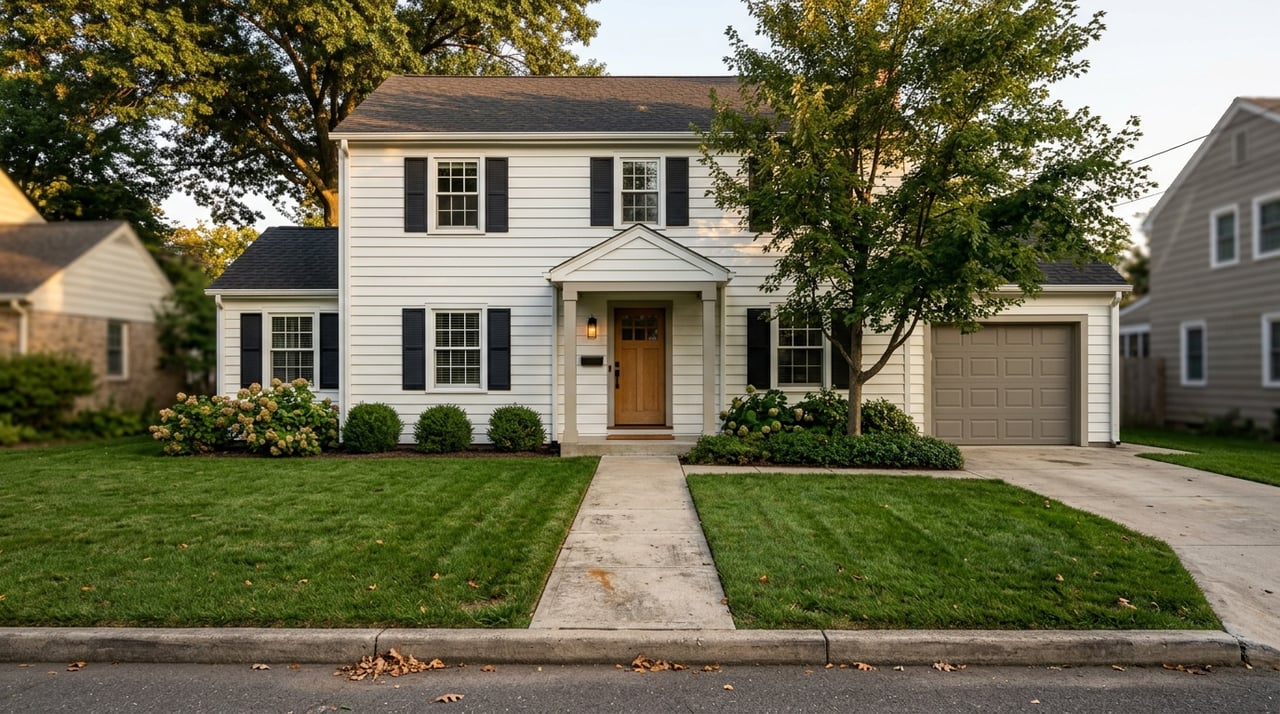
The most common home styles here are colonials, ranches, and split-levels. You may also see some newer construction mixed in, but the overall feel is still established and residential rather than newly built from the ground up.
Many north-side lots are under half an acre. For buyers, that can mean less exterior upkeep, a more approachable entry point than larger-lot sections of town, and good options if you want a detached home without paying for a much bigger parcel.
Another part of the north-side appeal is its relationship to open space. The township notes that part of the Watchung Reservation sits in the north, which helps explain why some buyers focus here when they want a suburban setting near natural surroundings.
South side homes
The south side is where buyers often look when larger lots are a top priority. Local guides describe many lots in this section as falling between half an acre and one acre, which is a meaningful jump from more compact parts of town.
That extra space often changes the feel of the housing stock. You are more likely to associate the south side with more privacy, more yard space, and a greater chance of finding larger custom or expanded homes.
The streetscape also tends to stand out. Local descriptions note mature trees and a setting that can be appealing for walking or biking, even though sidewalks are less common in some areas.
Price expectations usually shift here as well. Homes in this part of town can reach into the $2 million range, making it one of the clearest pockets for buyers who want more land and a larger overall property footprint.
Downtown and Park Avenue options
If you picture Scotch Plains as only detached single-family homes, downtown may surprise you. The Park Avenue and East Second Street area is the clearest part of town to watch for newer mixed-use and attached-housing options.
The township has active redevelopment work underway in this area. Official plans cover 9.5 acres of public land and envision retail, restaurants, apartments, public plazas, parking, and a combined library and town hall.
The township also highlights a 40-unit mixed-use project at 1776 East Second Street and updated overlay zones that allow higher residential density in parts of downtown. In practical terms, this is the section most likely to offer a different housing format than the classic mid-century single-family pattern found across much of town.
For some buyers, that means an opportunity to consider townhomes, apartments, or other attached options in a location tied more closely to shopping and future redevelopment activity. If you want lower-maintenance living or a newer-style layout, this is an important area to track.
Historic pockets with older character
Scotch Plains also includes smaller historic pockets that bring a different kind of context to your home search. Kramer Manor and the Shady Rest and Scotch Hills area are especially important to understand.
Kramer Manor is a historic Black community spanning Fanwood and Scotch Plains. Township sources note that it marked its centennial in 2024, historically functioned as an all-Black enclave, and is now a multicultural neighborhood of roughly one hundred households with single-family homes and green spaces.
Nearby, the township identifies Shady Rest at Scotch Hills Golf Course as the first African-American country club in the nation. Together, these places reinforce that some parts of Scotch Plains carry a deeper historic identity and an older residential feel than the town’s more typical postwar blocks.
Common home styles in Scotch Plains
The dominant housing type in Scotch Plains is suburban single-family housing. Across much of town, the most common styles are colonials, ranches, and split-levels, which fits the area’s postwar growth pattern.
This style mix matters because it gives you clues about layout and condition. Many buyers will come across original floor plans, attached garages, older room configurations, expanded kitchens, and homes that have been updated over time rather than built recently.
A useful data point is the reported median year built of 1960. That does not mean every home dates to that exact period, but it does support the broader pattern that most homes you will tour are mid-20th-century properties.
What home style can signal
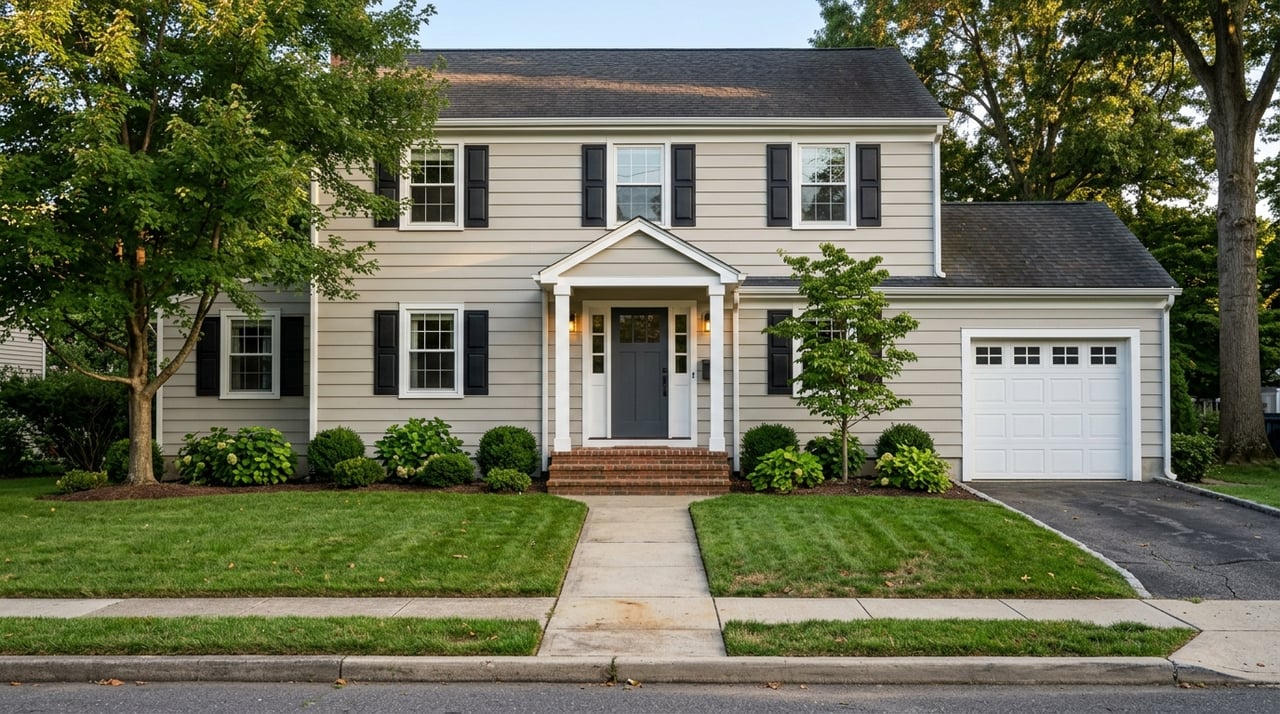
A colonial often suggests a more traditional two-story layout with bedrooms upstairs and formal living spaces on the main level. In Scotch Plains, that can appeal to buyers who want a classic suburban floor plan and are comfortable with an older home that may have been updated in phases.
A ranch usually points to one-floor living. That can be attractive if you want simpler daily function, easier movement between rooms, or a home where the footprint matters more than a second story.
A split-level often reflects the practical design choices of the 1950s and 1960s. These homes can offer flexible living zones and attached garages, but they may also come with room transitions or layout quirks that buyers either love or want to renovate over time.
Attached housing exists too
While detached homes define much of Scotch Plains, attached housing is part of the market too. Current local housing examples include apartment and townhome communities such as Scotch Plains Crossing, Lamberts Mill Village, Country Club Village, Bayberry Gardens, and Reserve at Scotch Plains.
Some of these communities are rentals rather than for-sale homes, but they still show that the town is not limited to one housing format. If you want a condo, townhome, apartment-style option, or lower-maintenance setup, your search may be more focused around corridor areas and redevelopment zones.
What prices suggest about the market
Scotch Plains is generally viewed as a mid-to-upper suburban market. Census data place the median value of owner-occupied homes at $718,200, while a local housing guide reports a median home sale price of $910,000 over the last 12 months.
That same guide reports a median single-family sale price of $940,000 and a median townhouse sale price of $500,000. Those numbers help explain why buyers often compare home type and location together rather than looking at price alone.
For example, a smaller home on the north side, a larger-lot property on the south side, and an attached option near downtown may all serve very different goals. Understanding those trade-offs early can save you time and keep your search realistic.
How to narrow your search
If you are just starting out, it helps to match your priorities to the part of town most likely to support them. Scotch Plains is not one-size-fits-all, even though it has a consistent suburban identity.
You might focus on the north side if you want a detached home on a more compact lot and are open to classic ranches, split-levels, or colonials. You might focus on the south side if lot size, privacy, and a larger property feel are higher on your list.
If newer or attached housing matters most, the downtown and East Second Street area deserves close attention. And if local history and established single-family streetscapes are part of what draws you in, the older pockets around Kramer Manor and Shady Rest may be especially meaningful to explore.
Scotch Plains can reward buyers who look beyond the town name and into the details of each section. If you want help comparing blocks, home styles, and real-world trade-offs in Union County, Jeanne Hofmann can help you make a clearer, more confident move.
FAQs
What types of homes are most common in Scotch Plains?
- The most common home styles in Scotch Plains are colonials, ranches, and split-levels, with much of the housing stock dating to the 1950s and 1960s.
Where are the larger lots in Scotch Plains?
- The south side is the clearest area for larger lots, with many properties described as being between half an acre and one acre.
Where can you find newer or attached housing in Scotch Plains?
- The downtown, Park Avenue, and East Second Street area is the main section to watch for mixed-use, attached, and higher-density housing options.
Are most Scotch Plains homes historic?
- No. While the town has some historic pockets and older properties, most everyday housing in Scotch Plains is mid-20th-century suburban housing rather than colonial-era homes.
What does the Scotch Plains market look like for buyers?
- Scotch Plains is generally considered a mid-to-upper suburban market, with reported median sale prices showing a meaningful spread between single-family homes and townhouses.