Wondering how a town that is only about a mile and a half wide can offer so many different blocks, streets, and home styles? In Fanwood, small really does mean varied. From historic streets near the train station to mid‑century pockets around local parks, each area offers a different feel and set of tradeoffs. In this guide, you will learn how Fanwood is laid out, what home styles to expect, and how to quickly narrow your search based on commute, parks, and everyday needs. Let’s dive in.
Fanwood at a glance
- Size and setting: Fanwood is a small borough in southwestern Union County, covering roughly 1.3 to 1.4 square miles with about 7,500 residents. You will find most daily needs close by, thanks to the compact footprint. (Borough of Fanwood)
- Transit anchor: Fanwood Station on NJ Transit’s Raritan Valley Line sits at the town center. Typical published travel times are about 30 minutes to Newark Penn Station and about 55 minutes to New York Penn Station, depending on the schedule. Station parking is a mix of NJ Transit and municipal lots with permits. Check details on the NJ Transit station page and the planning overview from APA New Jersey.
- Schools: Public-school students attend the Scotch Plains–Fanwood Regional School District, which serves both towns. Always confirm a home’s specific school assignment with the district site.
- Market snapshot: Recent city market snapshots place Fanwood’s median sale price in the low to mid $700,000s, with a reported figure around $783,750 as of January 2026. Recheck current data before you make pricing decisions because market numbers change.
- Parks: La Grande Park and Forest Road Park offer fields, courts, and playgrounds. The Fanwood Nature Center adds trails and boardwalks for quiet walks. Learn more on the Recreation page and the Nature Center update.
How Fanwood is laid out
Fanwood’s map reads best by landmarks. The railroad tracks and station split the borough into north and south, with downtown wrapped around the station. Because the town is compact, people often describe pockets by whether you are north or south of the tracks and by proximity to key parks like La Grande Park and Forest Road Park. That is why street-based and park-based descriptions tend to be more useful than formal neighborhood names.
If walkability to the train is a priority, focus on streets near South Avenue, Martine Avenue, La Grande Avenue, and North Avenue. If you want quick access to fields and playgrounds, look at blocks around La Grande Park and Forest Road Park.
Neighborhood pockets you will hear about
Fanwood Park Historic District (north of the tracks)
- Where it is: Curving streets around the historic station along North Avenue and North Martine Avenue. The area is listed on the National Register of Historic Places. Learn more about the district’s background on LivingPlaces.
- What it feels like: Tree-lined, gently curving streets with an older, established character. Lots are often a bit larger than in other parts of town.
- Typical homes: A mix that includes Victorian details, Colonial Revival, and Tudor influences from the late 19th and early 20th centuries. Buyers who value historic architecture and distinctive streetscapes often start here.
- Tradeoffs: Older homes may need updates. Lot sizes and floor plans can vary more from house to house than in newer sections.
Station, Downtown, and Block 64 area
- Where it is: Streets directly around Fanwood Station along South Avenue, Martine Avenue, and La Grande Avenue. “Block 64” is the formal redevelopment zone bounded by South Avenue, Martine Avenue, La Grande Avenue, and Second Street. See the borough’s overview of projects on the Economic Development page.
- What it feels like: The highest walkability in town. You can step out to restaurants, small shops, the plaza, and the train in minutes.
- Typical homes: Mixed-use and mixed-scale buildings, including new townhouse-style rental units and small condo or apartment options created through redevelopment, along with some older single-family homes on nearby side streets.
- Practical note: Projects like Fanwood Crossing and Station Square added both market-rate and some affordable units. Streetscape and parking changes have improved pedestrian access. If you want newly built townhouse or condo inventory, check timing and occupancy for specific projects on the borough site.
La Grande Park and the central grid
- Where it is: The La Grande Avenue and Second Street area immediately east of downtown. La Grande Park includes playgrounds, fields, tennis courts, and a recreation building. Details are on the town’s Recreation page.
- What it feels like: A quiet, close-in neighborhood with park access and an easy stroll to downtown and the train.
- Typical homes: Many mid-century ranches and Cape Cod–style houses, plus one and two-story single-family homes. One-floor living often attracts first-time buyers and downsizers here.
Forest Road Park and the northwest pocket
- Where it is: Near Forest Road Park by Woodland Avenue. The park features fields, tennis and pickleball courts, a skate park, and a recreation building. See amenities on the Recreation page.
- What it feels like: A residential area with quick access to organized recreation and outdoor space.
- Typical homes: Mid-century split-levels, ranches, capes, and traditional single-family footprints with driveways and usable yards.
Other small pockets and border streets
- What to know: In a town this small, some areas are best described by street name rather than neighborhood label. Streets like King Street, Pleasant Avenue, Poplar Place, and Midway Avenue show a mix of housing. You will see mid-century ranches on one block and a newer or renovated home on the next. Price and style can vary street by street, so pull recent comps and review tax records for specific properties you like.
Common home styles and what they mean
Victorian and Carpenter Gothic
You will see these most often around the historic district and near the station. Many date to the late 19th and early 20th centuries, with original trim and period details. If you love character and unique façades, this is where you will find it. For a high-level look at the district’s era and influences, see the LivingPlaces overview.
Colonial and Colonial Revival
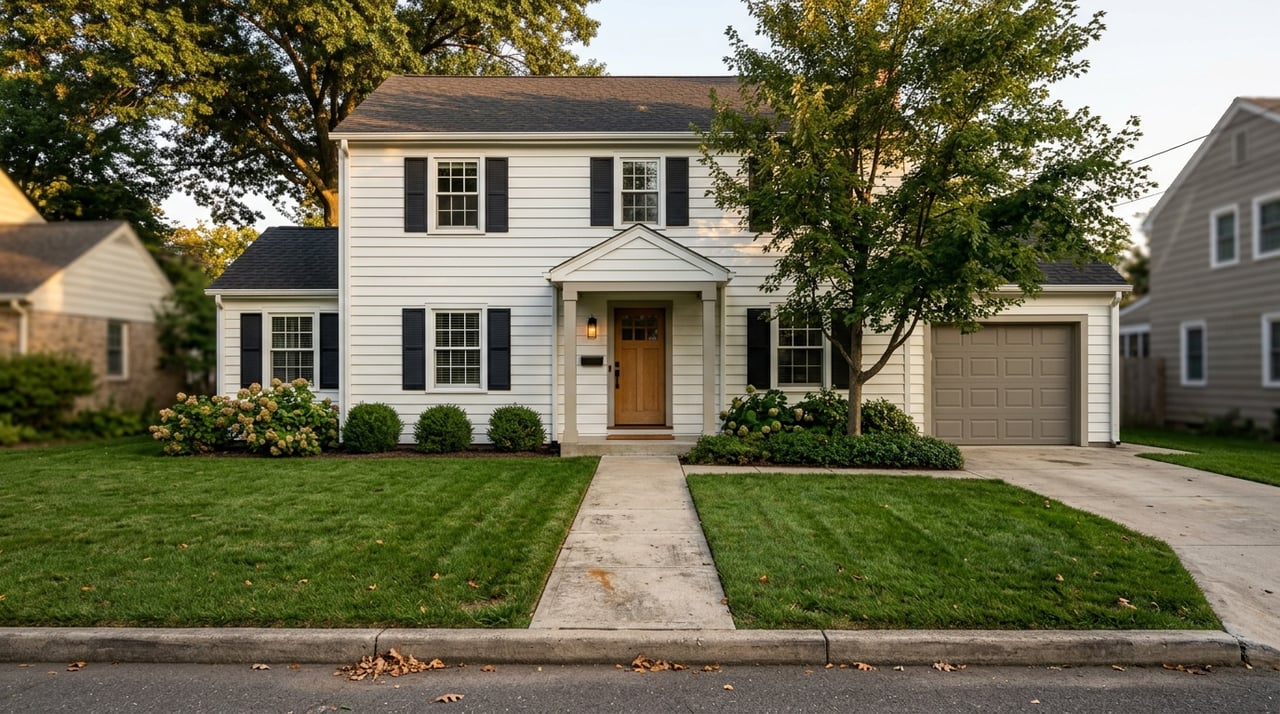
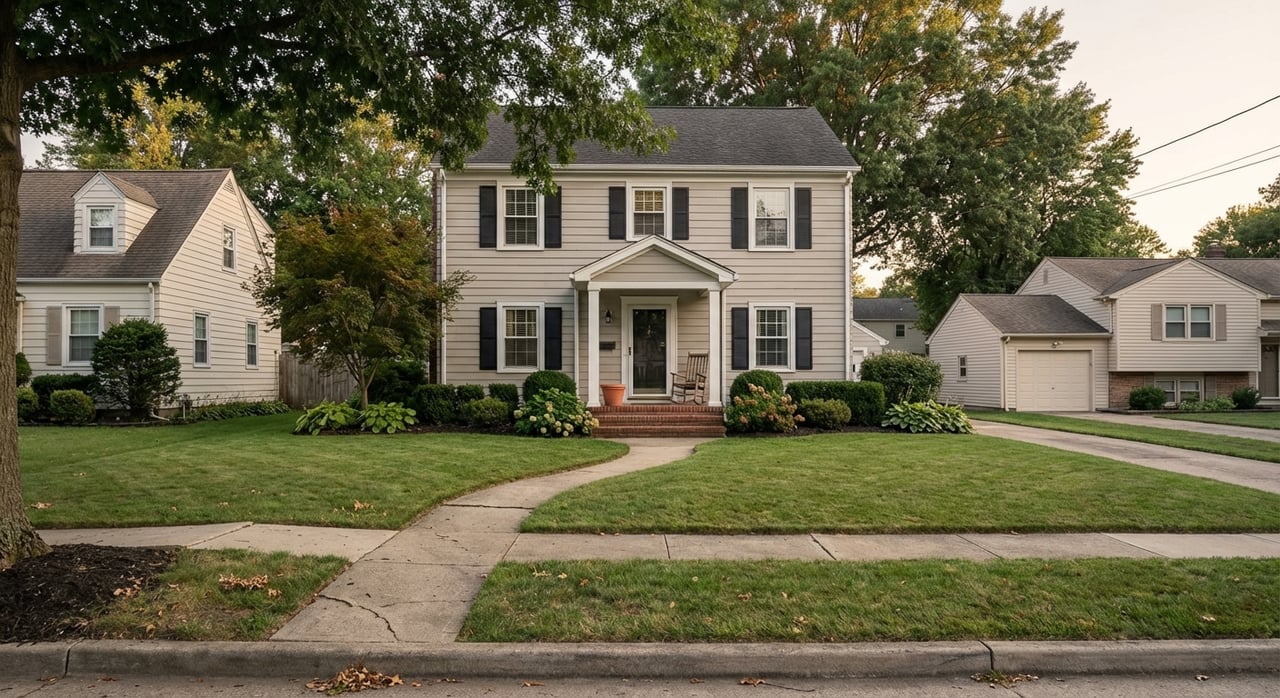
This is one of the most common traditional types in Fanwood. Expect two-story plans with center-hall or side-hall layouts and wood or clapboard exteriors. Interiors are often updated over time. Colonials offer flexible rooms that work well for daily living and remote work.
Cape Cod and Ranch
These mid-century styles are popular around La Grande Park and other infill pockets. Capes offer cozy 1.5-story layouts with bedrooms up or down. Ranches provide true one-floor living with easy flow to the yard. Many buyers choose these as approachable entry points with simpler renovation scopes.
Split-level and Bi-level
Common from the 1950s and 1960s, split-levels manage space on a smaller footprint. Short sets of stairs separate living, bedroom, and bonus areas, which can help with noise and daily routines. Bi-levels offer upper living and lower rec space, often with access to the yard.
Townhouses and condominium-style units
You will find the deepest selection around the station because of the Block 64 redevelopment. Townhouse-style rentals and some condo offerings create a denser downtown feel than you see elsewhere in the borough. If you want low-maintenance living and a short walk to the train, start here. The borough’s Economic Development page provides project context.
Commute, parks, and daily life
Walk-to-station vs. drive-to-station
If you plan to walk to the train, focus on addresses along or near South Avenue, Martine Avenue, La Grande Avenue, and North Avenue. If you expect to drive, review current lot locations, permit availability, and fees on the NJ Transit station page. Permit status can change, and it affects both budget and convenience.
Local parks and open space
La Grande Park and Forest Road Park are the main hubs for playgrounds, fields, and community programs. For a quieter nature break, the 8‑acre Fanwood Nature Center offers trails, boardwalks, and pollinator plantings. The Recreation page and this Nature Center update list features and events.
Downtown conveniences
Fanwood’s retail core lines South Avenue and Martine Avenue. The Block 64 projects added storefronts and a small plaza that supports a village-style feel. For redevelopment context and active storefront corridors, see the borough’s Economic Development overview and this planning snapshot from NJ Future.
How to focus your Fanwood search
Use these steps to move from curiosity to a clear short list:
- Map your commute and school needs
- If walking to the train matters, draw a 5 to 15 minute radius from Fanwood Station and prioritize those streets. If driving, confirm current parking rules and permit availability on the station page.
- If schools are a priority, verify the specific assigned schools for any address with the Scotch Plains–Fanwood district.
- Search by pocket, not just by ZIP
- Fanwood does not rely on formal neighborhood names. Use pocket cues like “north of the tracks in the Historic District,” “La Grande Park area,” “Forest Road Park area,” or “within a short walk of the station.” The borough’s compact size makes these anchors more precise.
- Filter by year built and home type
- If you prefer a certain era, use filters for year built and home type to find colonials, capes, ranches, or splits. For historic homes, plan for possible mechanical and systems updates if the build date is before 1950.
- Verify redevelopment availability
- If you want a newer townhouse or condo near downtown, check the borough’s Economic Development page for context, then confirm current availability and occupancy timelines for specific projects.
- Recheck dynamic data before you decide
- Train schedules, parking rules, and market medians can change. Use the NJ Transit station page for schedules and parking, and review a fresh market snapshot before finalizing offers or pricing.
The bottom line
In Fanwood, the station and parks shape almost every search. If you keep your top priorities front and center, you can quickly focus on the streets and styles that fit your life. Whether you want the historic character north of the tracks, a mid-century home near La Grande Park, or a low-maintenance townhouse by downtown, this small borough gives you a surprisingly wide set of choices.
If you want a local, hands-on partner to help compare pockets, line up tours, and shape a winning offer, reach out to Jeanne Hofmann to schedule a free consultation.
FAQs
What should I know about commuting from Fanwood Station?
- The station sits at the borough center on the Raritan Valley Line, with typical published times of about 30 minutes to Newark Penn and about 55 minutes to New York Penn, depending on the schedule; check current trains, parking lots, and permits on the NJ Transit station page.
Where are the most walkable streets in Fanwood?
- Look along or within a few blocks of South Avenue, Martine Avenue, La Grande Avenue, and North Avenue, since these surround the station and downtown.
Which Fanwood pocket has the most historic homes?
- The Fanwood Park Historic District north of the tracks features late 19th and early 20th century homes with Victorian, Colonial Revival, and Tudor influences; see the LivingPlaces overview for background.
Where will I find newer townhouse or condo options?
- Around the station and downtown in the Block 64 area, where projects such as Fanwood Crossing and Station Square added market-rate and some affordable units; see the borough’s Economic Development page for context.
What parks and recreation options shape local home searches?
- La Grande Park and Forest Road Park offer fields, courts, and playgrounds, and the Fanwood Nature Center provides trails and boardwalks; the Recreation page lists amenities.
How do I confirm school assignments in Fanwood?
- Fanwood is served by the Scotch Plains–Fanwood Regional School District, so you should verify any address with the district site before assuming a specific school.