Thinking about swapping a crowded NYC apartment for more space without losing a reasonable commute? You are not alone. Many buyers look to Westfield for its walkable downtown, classic homes, and practical ways to get into the city. In this guide, you will learn how the commute really works, what neighborhoods feel like day to day, and what to check before you move. Let’s dive in.
Why Westfield works for commuters
Westfield sits in Union County, northwest of Newark, and is part of the New York metro area. You get a suburban feel with a compact, lively downtown near the train station. The location suits different work patterns, including daily city commuters and hybrid schedules.
For most people, the real question is door to desk, not just train time. From Westfield, many commutes to Midtown fall in the one hour to 90 minute range depending on transfers and timing. Reliability, parking, and first mile access often matter as much as the schedule itself.
Transit options at a glance
NJ Transit rail from Westfield
Your main rail option is NJ Transit’s Raritan Valley Line at Westfield Station. Trains typically connect at hubs like Newark Penn or Hoboken for Manhattan-bound service. Service patterns can change over time, so you should confirm current schedules and whether any direct-to-Manhattan options are running during your target hours.
Plan your commute around peak and off-peak differences. Peak periods offer more frequency and shorter waits, while off-peak and weekends can take longer. If you live within a short walk of the station, you may avoid parking altogether and streamline the trip.
Buses and park-and-ride
Some residents use regional or express buses from nearby stops or drive to a park-and-ride. This can be helpful if your office is near Port Authority or if you want a backup plan when train schedules shift. Routes and stops can change, so check current options before you commit to a routine.
Driving to NYC or NJ hubs
You can also drive using I-78, the New Jersey Turnpike, local arterials, and the Lincoln or Holland Tunnel. This can be useful for flexible hours or employers with parking. Factor in tolls, bridge or tunnel delays, and Manhattan parking fees when you compare costs.
Biking and walking
Downtown Westfield is easy to navigate on foot, which is why many people walk or bike to the station. If biking is your plan, look into local guidance on bike parking at the station. For hybrid workers, a short walk to coffee shops or quiet spots near downtown can provide a change of pace on work-from-home days.
Housing near transit and tradeoffs
Walk-to-station premium
Homes within a 5 to 15 minute walk of the station and downtown often carry a convenience premium. You may be able to own fewer cars or skip a station parking permit, which simplifies life. Expect more pedestrian and local traffic in these areas, which some buyers like for access and activity.
Housing types around downtown
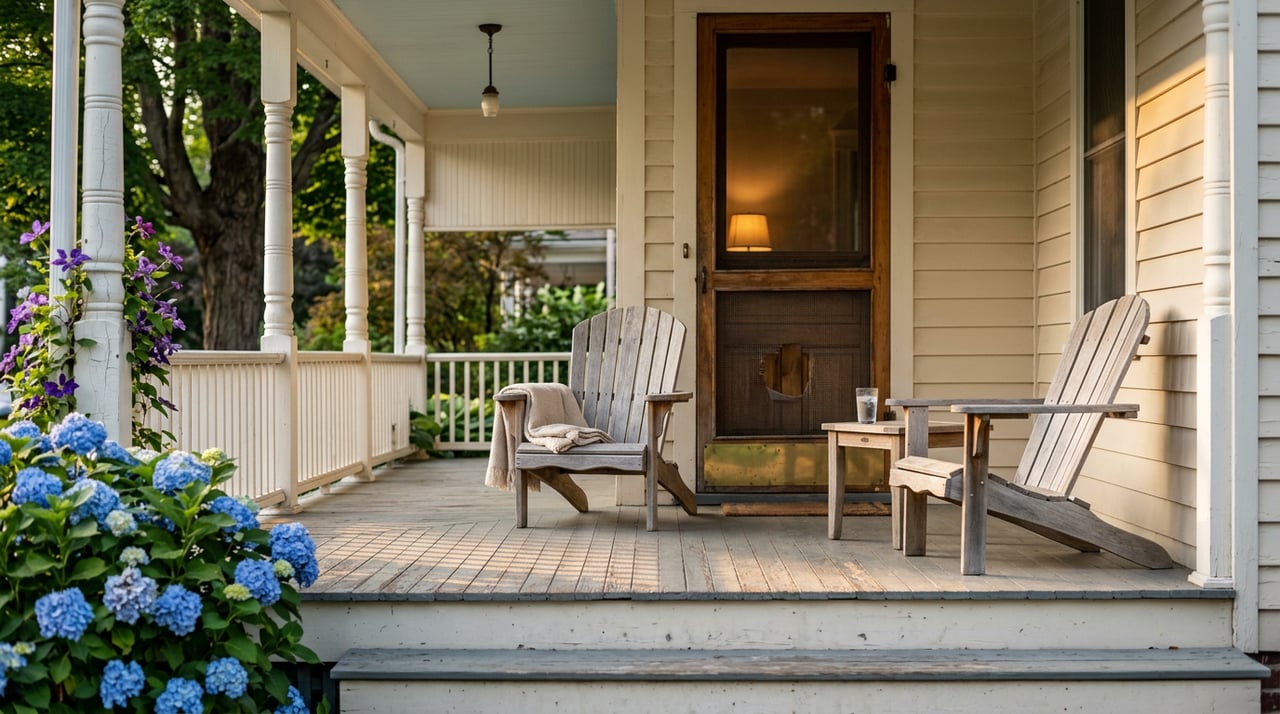
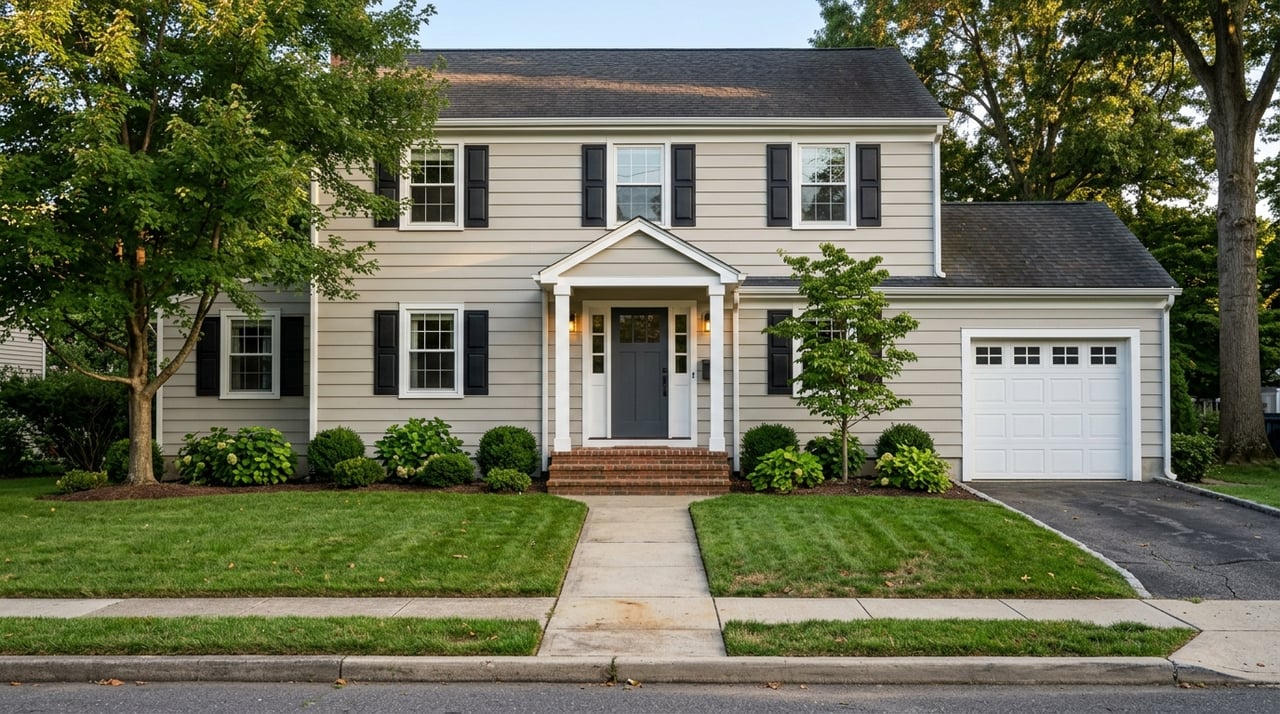
Near the station, you will mostly find single-family homes with historic styles on tree-lined streets. There are also condos, smaller multifamily buildings, and garden apartments along major corridors, which can work well for first-time buyers or downsizers. Newer infill and renovation projects appear in select spots.
Farther neighborhoods, more space
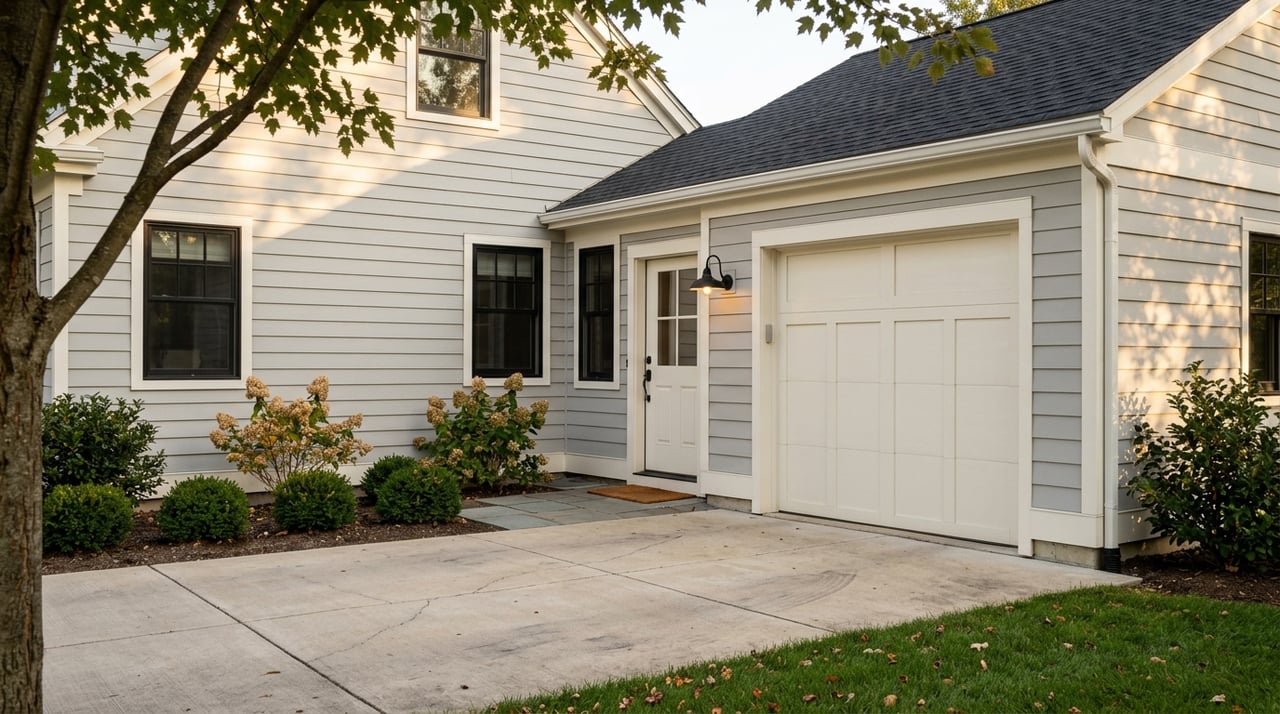
A short drive or bike ride from downtown can mean larger lots, newer construction, or a lower price per square foot. You trade some walkability for space and often quieter streets. If you plan to drive to the station, consider permit availability and waitlists before you buy.
Door-to-desk examples
Walk-to-train to Midtown
If you live near the station, a common pattern is walk, train, transfer, and final leg. Many commuters transfer at Newark Penn for service to New York Penn, then take the subway or walk to the office. Depending on your timing, waits at transfer points can shape the total time. This door-to-desk trip commonly falls within about one hour to 90 minutes.
Drive and ride variation
Another approach is to drive to the station or to a nearby hub with more frequent service, then continue by rail. Some commuters choose express buses when schedules align with their workday. Your total time will vary with parking, traffic, and transfer waits, so test your exact route during your typical commute hours.
Daily routines and quality of life
Morning logistics that work
Many residents enjoy a simple morning routine. You might walk to the station or do a quick drop-off by car service to avoid parking. If you have daycare or school drop-off, plan a route that keeps the station on your path so you do not add extra time.
Evenings and weekends made easy
When you get back from the city, you can grab takeout, dry cleaning, or groceries close to the station. Weeknights and weekends bring parks, youth sports, and community events around town. It is easy to run errands without a long drive.
Hybrid work flexibility
On hybrid days, you can set up at home or find a quiet table near downtown. Internet providers and speeds vary by block, so confirm what is available at specific addresses before you sign a contract. Some residents like to split time between home and local spots to stay productive.
Costs and planning essentials
Monthly commuting costs
If you ride the train several days a week, compare a monthly pass to pay-as-you-go tickets. Factor in station parking permit fees or private lot costs if you plan to drive and park. For drivers heading into Manhattan, estimate tolls and parking so you have a clear total.
What to verify before you move
Use this checklist as you narrow your search:
- NJ Transit Raritan Valley Line schedules for your target departure and return times.
- Station parking rules, permit process, and any current waitlist with the Westfield parking office.
- Local market conditions such as median sale price and time on market for your target neighborhoods.
- Property tax rates and typical annual tax bills for homes you are considering.
- School district boundaries, enrollment steps, and recent performance information if that is part of your decision.
- Internet providers and speeds at specific addresses.
- Daycare and aftercare options, including current availability and waitlists.
- Local ordinances that could affect parking, home office use, or future projects.
Friction points and smart tips
Parking and peak crowding
Station parking can be competitive. If you need a permit, apply early and ask about overflow or alternative lots. During peak hours, trains can be crowded, so give yourself a cushion for boarding and transfers.
Weather and service changes
Winter storms and summer construction can affect schedules. Keep a backup plan such as remote work, a different train time, or a driving route to a nearby hub. Before big meetings, check service alerts so you can adjust.
Is Westfield a fit for your commute?
If you want a suburban lifestyle that still connects you to Manhattan and major New Jersey job centers, Westfield makes daily routines manageable. You can choose a walk-to-station home for convenience or a larger lot a short drive away. With a realistic plan for schedules and parking, the commute can fit your life rather than run it.
Ready to explore neighborhoods and compare commute scenarios by address and schedule? Reach out to Jeanne Hofmann for local guidance tailored to your routine and budget.
FAQs
How long is the Westfield to Manhattan commute?
- Many door-to-desk commutes from Westfield to Midtown fall within about one hour to 90 minutes, depending on transfers, wait times, and final destination.
Is there parking at Westfield Station?
- Yes, there are station lots and on-street options, but demand can be high. Confirm permit rules, locations, and any waitlists with the town parking office.
Is Westfield walkable for errands and dining?
- Yes. Downtown is compact with restaurants, shops, and services near the station, which helps you consolidate errands after work or on weekends.
Can I rely on the train for a hybrid schedule?
- Generally yes for peak days. Off-peak and weekend frequency can be lower, so confirm schedules and consider driving or remote options for flexible days.
Are there affordable options near the train?
- Walk-to-station homes often carry a premium. Condos, garden apartments, and smaller multifamily buildings near major corridors can offer more budget-friendly choices.